
2 Corinthians 12:9–10 · KJV
What Does 2 Corinthians 12:9–10 Mean?
In 2 Corinthians 12:9–10, Christ assures Paul that his grace is sufficient while the weakness Paul wants removed remains. Paul learns to depend on Christ's power in his ministry. The paradox of being strong when weak describes that dependence in the face of hardship.
And he said unto me, My grace is sufficient for thee: for my strength is made perfect in weakness.
2 Corinthians 12:9, KJV, excerpt
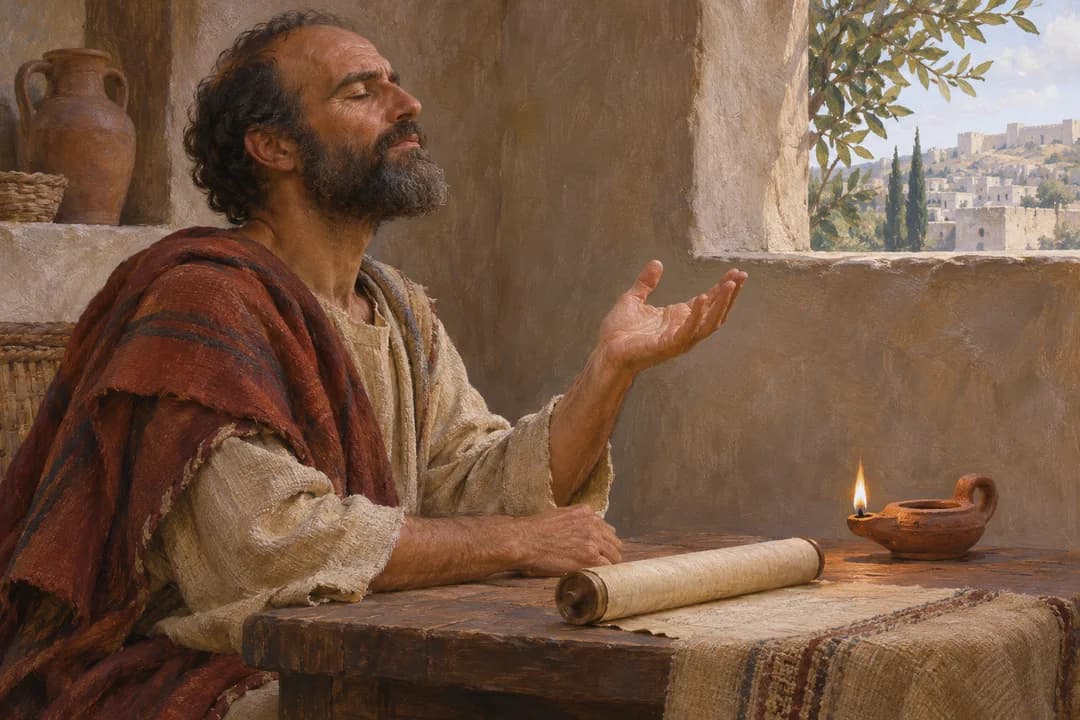
The prayer behind Christ’s answer
Paul has been speaking about extraordinary revelations and the danger of becoming proud. In verses 7–8 he describes a thorn in the flesh and asks the Lord three times to remove it. He never identifies its precise nature. Readers can understand the answer without settling whether it was a bodily ailment, opposition, or another persistent affliction. His prayer gives the assurance its setting: he has sought relief and is still waiting for it.
Verse 9. What does sufficient grace mean?
The answer turns Paul's attention to what Christ supplies. Sufficient grace means enough help to sustain Paul's calling in the situation he actually faces. Christ's strength is made evident as Paul relies on it in weakness. The verse does not explain the purpose of every illness or tell readers how long suffering will last. It records Christ's particular response to Paul, which Christians have long found encouraging when their own prayers remain unresolved.
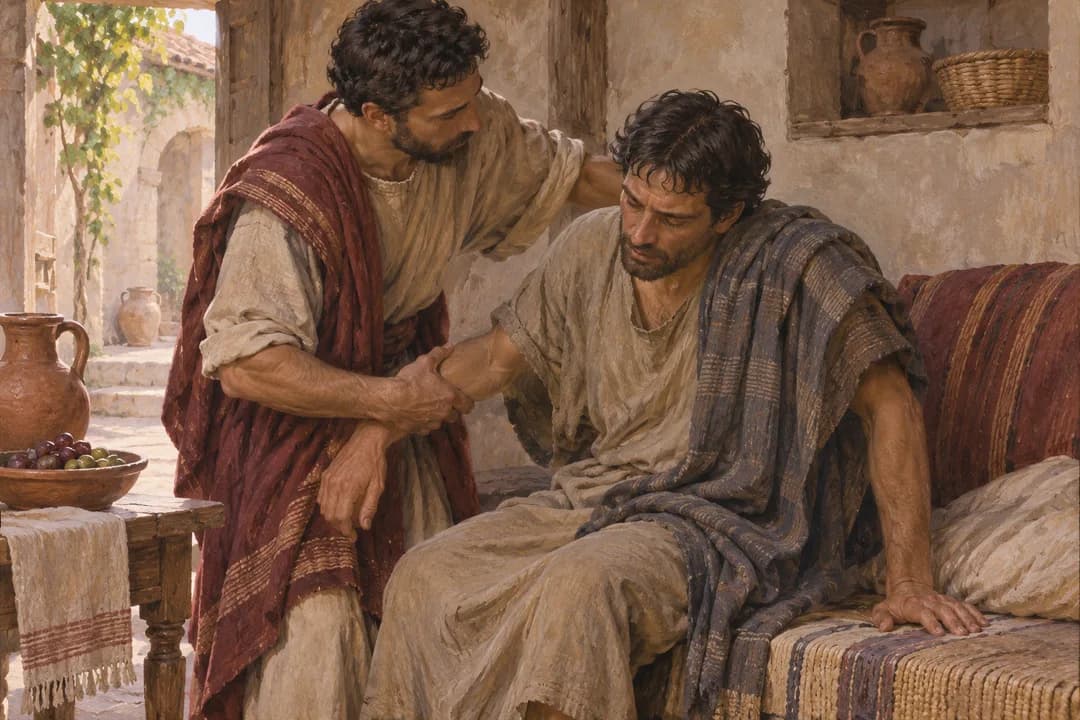
Verse 10. Why does Paul speak gladly of hardship?
Paul lists weakness, insults, needs, persecution, and distress. The qualifying phrase is “for Christ’s sake.” He has endured these things while serving Christ and bringing the gospel to others. He can speak gladly of them because the work has continued through Christ's help. His confidence comes from the power that rests on him, while the hardships themselves remain costly. The next chapters still show him caring intensely about the Corinthians' welfare.
Praying when a difficulty persists
Paul's repeated request leaves room for honest prayer about pain. A reader can ask for relief and also ask for help with what today requires. That may involve receiving care, admitting a limitation, or allowing someone else to carry a responsibility. One practical question is where you have been pretending to manage alone. Bringing that weakness into prayer can make room for both Christ's sustaining grace and the ordinary help available through other people.