
Micah 6:8 · KJV
What Does Micah 6:8 Mean?
Micah 6:8 says that the Lord requires a life of justice, love of mercy, and humble walking with God. It answers a question about what offering could make a person acceptable before him. The verse brings worship into the conduct of daily life and the treatment of other people.
He hath shewed thee, O man, what is good; and what doth the Lord require of thee, but to do justly, and to love mercy, and to walk humbly with thy God?
Micah 6:8, KJV, excerpt
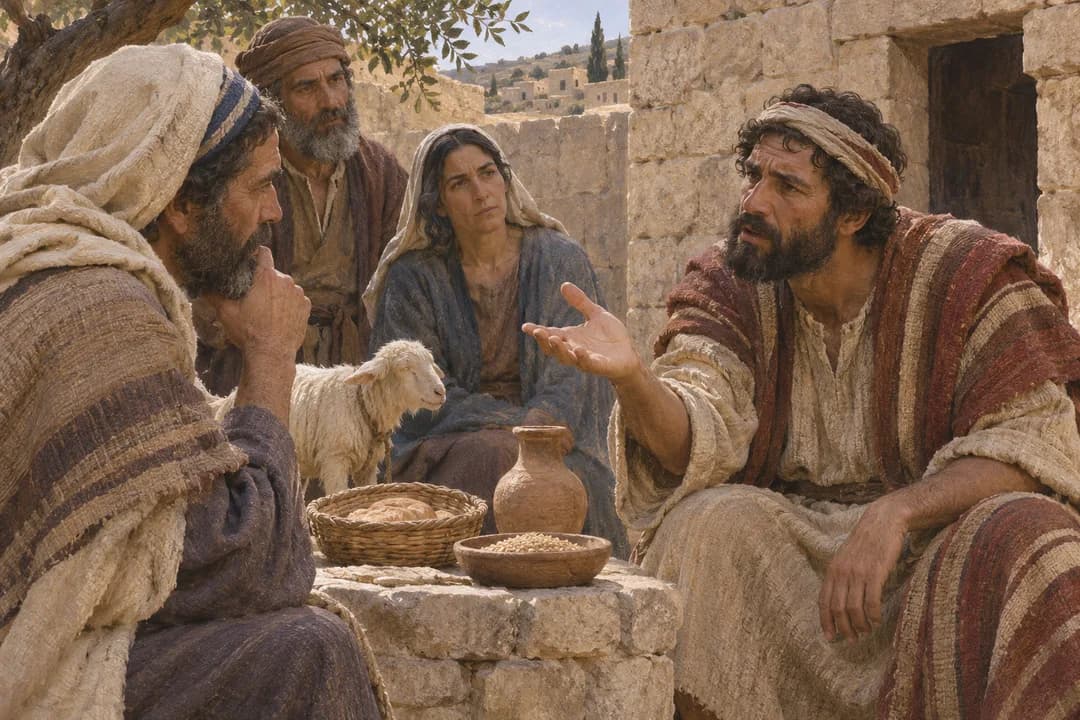
What question does verse 8 answer?
Micah 6 opens as a covenant dispute in which the Lord recalls what he has done for his people. The questions in verses 6–7 then escalate from burnt offerings to extravagant amounts of oil and even a firstborn child. Verse 8 answers by recalling what God has already shown to be good. The passage redirects attention from an escalating gift to the kind of life that belongs within a faithful relationship with him.
What does it mean to do justly?
Doing justice gives the command a practical form. In the surrounding book, wrong weights, dishonest dealings, and the abuse of power are real concerns. Justice therefore reaches into decisions about money, influence, and the treatment of a neighbor. It asks whether people receive what is fair and whether the vulnerable are harmed by another person's advantage. An application may begin with correcting a dishonest practice or using one's authority to protect someone who has little leverage.
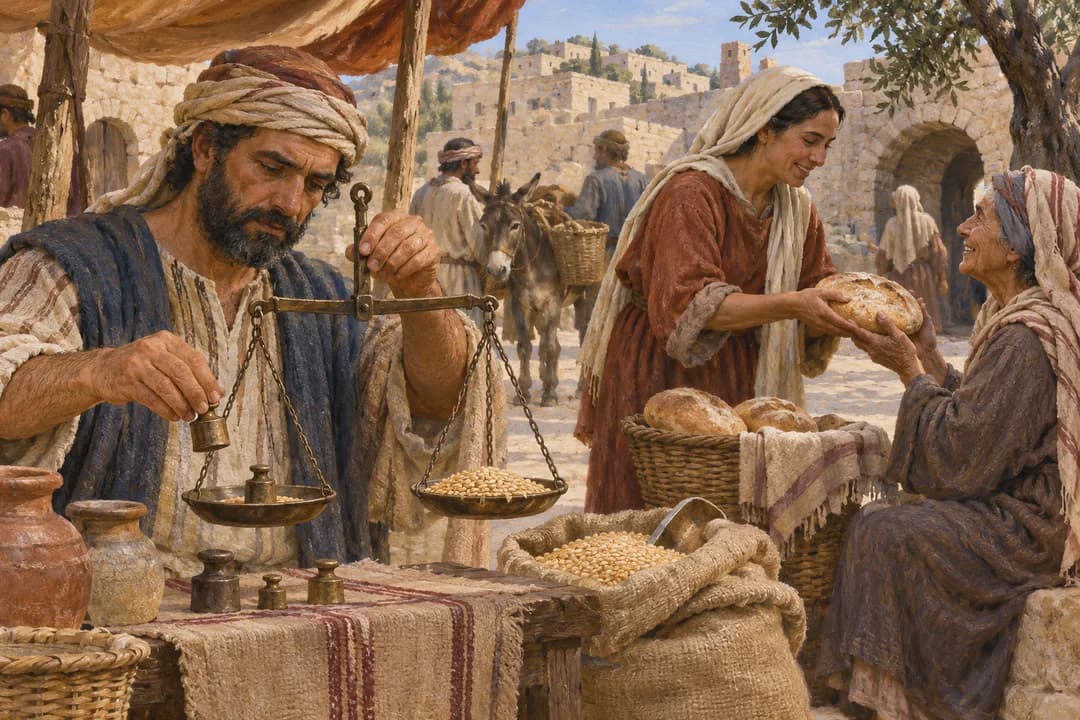
Why love mercy rather than merely perform it?
To love mercy describes a disposition that values loyal, steadfast kindness. The command reaches deeper than an occasional generous act performed for display. It asks readers to welcome mercy as a good thing and to let it shape their relationships. Justice and mercy can therefore work together in the repair of harm. A person may need to tell the truth about a wrong while also seeking a way forward that shows patience and practical care.
What does walking humbly with God look like?
Walking suggests an ongoing way of life. Humility acknowledges God's authority and the need to receive his direction. The three requirements belong together: fair conduct and merciful relationships are lived in dependence on God. For reflection, choose one decision where all three can be considered. What would be just for those affected? What would show steadfast kindness? What assumption about your own importance needs to be surrendered? Let that examination lead to a specific change in practice.