
Romans 6:23 · KJV
What Does Romans 6:23 Mean?
Romans 6:23 means that sin leads to death, while God gives eternal life through Jesus Christ. Paul closes a discussion about the masters people serve and the outcomes of those allegiances. The difference between wages and a gift explains why the life God offers is received through grace.
For the wages of sin is death; but the gift of God is eternal life through Jesus Christ our Lord.
Romans 6:23, KJV, excerpt
Why does this verse end Romans 6?
The chapter begins by asking whether grace gives people a reason to continue in sin. Paul answers through their relationship with Christ and then uses the image of service to a master. The kind of service shapes its fruit and its outcome.
Immediately before verse 23, he describes freedom from sin, service to God, fruit leading to holiness, and eternal life. The concluding sentence gathers the discussion into two contrasting outcomes and identifies how life is given.
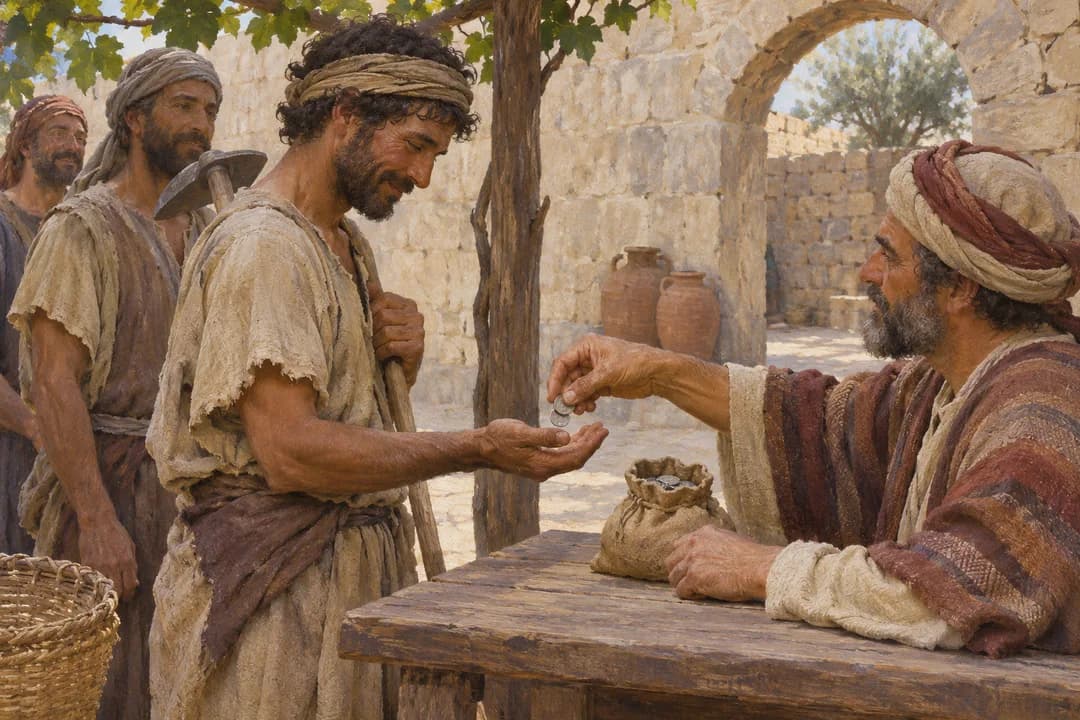
What are the wages of sin?
Wages are what service earns. Paul personifies sin as a master and names death as the outcome of serving it. The image gives wrongdoing a direction and an end. It belongs within the chapter’s larger concern about the power sin exercises.
Readers can examine both individual choices and the allegiance those choices express. Paul’s discussion asks what kind of fruit a pattern of life produces and where it is leading. The language gives reason to take the consequences of sin seriously.
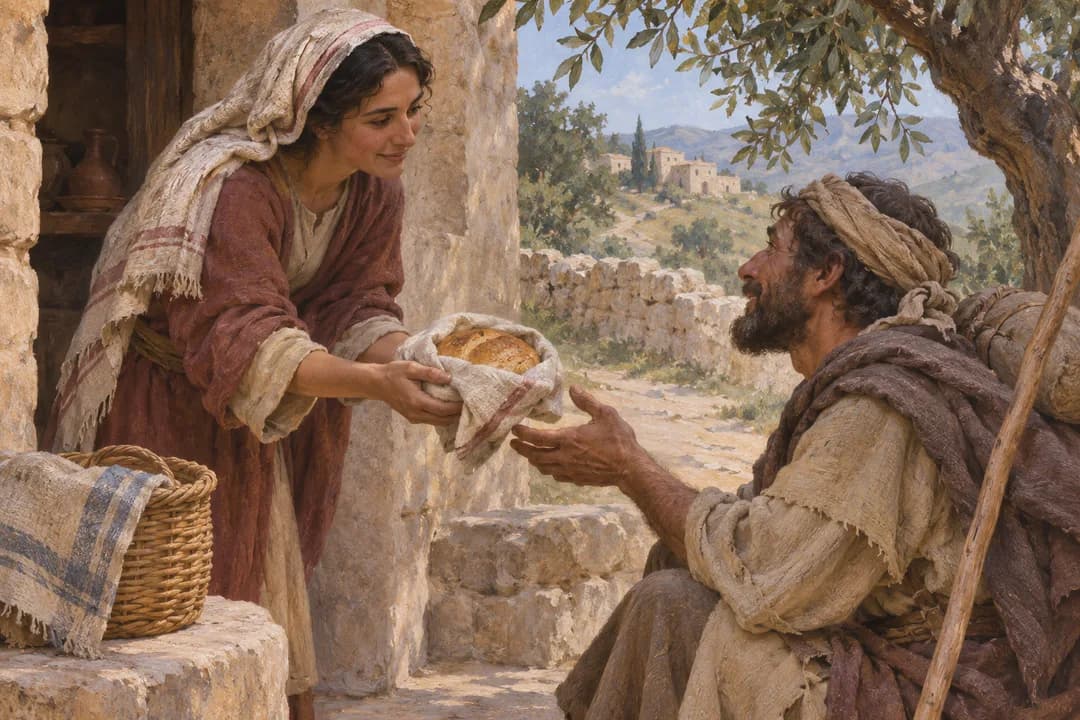
Why call eternal life a gift?
God’s gift has a different source from earned wages. Eternal life comes through Jesus Christ our Lord. That final phrase keeps the gift connected with the person and relationship Paul has discussed throughout the chapter.
A reader receives this promise within the call to a new allegiance. Grace frees people to serve God and bear the fruit of holiness. The verse brings the life-giving initiative of God into focus while the surrounding paragraph describes the life shaped by it.
How can the verse guide reflection?
Read verses 20–23 together and notice the repeated references to fruit and outcome. Ask what a habit is producing in your relationships, responsibilities, and attention to God. That question can make the chapter’s image of service concrete.
Then read the final sentence aloud, allowing its promise of God’s gift to guide your response. Confession can name the pattern that needs to change, and gratitude can receive the life offered through Christ. Both belong within Paul’s account of grace.