
Romans 8:28 · KJV
What Does Romans 8:28 Mean?
Romans 8:28 means that God works through the whole of his people's lives toward his saving purpose, including circumstances they find painful or hard to understand. The next verse identifies that purpose as becoming like his Son. Paul gives Christians a reason to hope while they suffer and wait for redemption.
all things work together for good to them that love God
Romans 8:28, KJV, excerpt
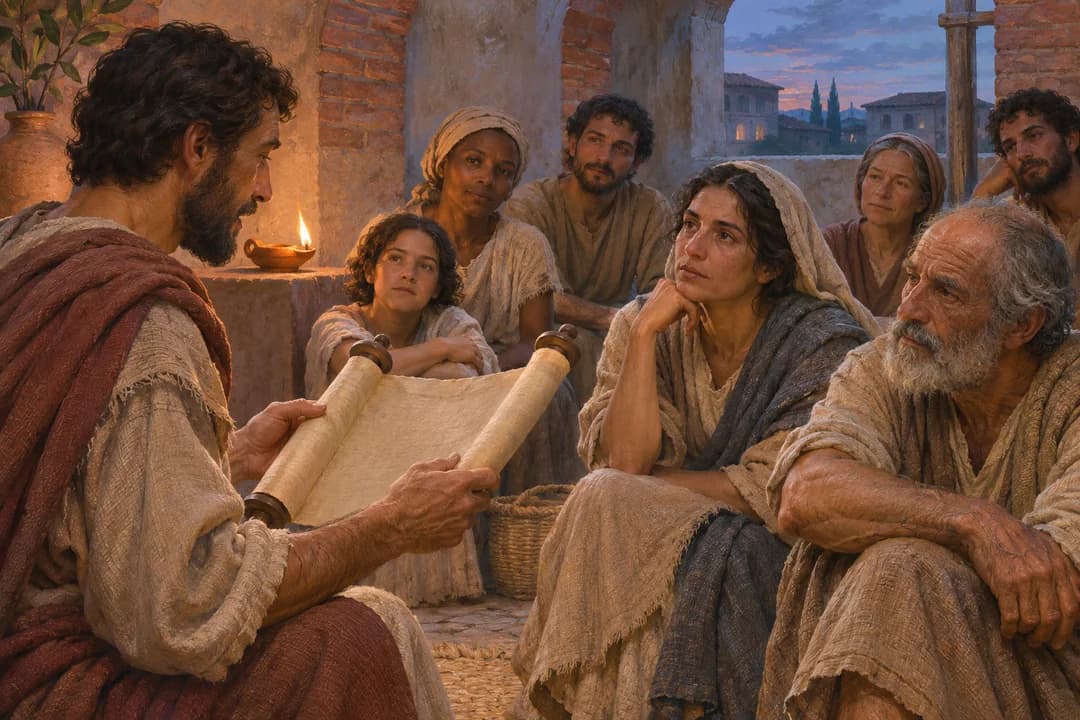
Why Paul speaks of good in a chapter about suffering
Romans 8:18–27 describes a creation that groans, believers waiting for their bodies to be redeemed, and the Spirit helping them in weakness. Paul includes the moments when people do not know what to pray for. Verse 28 grows out of that unfinished situation.
The chapter continues with hardship, persecution, hunger, and danger in verse 35. These experiences remain part of the lives of people God loves. The assurance running through the chapter is that God's saving work and love hold them through those experiences, all the way to the promised glory.
What does “all things work together” mean?
“All things” includes the suffering and weakness Paul has just described. His confidence rests on God's purpose reaching its goal through the whole of a believer's life. People may be unable to trace how a particular loss fits that purpose.
The words also leave room to name harm honestly. In Genesis 45:5–8, Joseph recalls that his brothers sold him, while recognizing that God used his presence in Egypt to preserve lives during famine. When Joseph revealed himself to his brothers, the family could finally see some of that outcome. Their story illustrates God bringing a life-preserving result through human wrongdoing. Romans 8 directs its own promise toward the goal Paul names in the following verses.
What is the “good” God promises?
Romans 8:29 describes God's purpose as people being conformed to the image of his Son. Verse 30 carries that purpose through to glory. Together they give “good” a specific meaning, rooted in belonging to Christ, growing into his likeness, and sharing in the future God promises.
A recovering relationship, practical help, or a changed circumstance may be welcome gifts along the way. Paul gives readers hope that reaches beyond the outcomes they can currently see. His earlier words about waiting patiently in verse 25 help explain how that hope can accompany an unresolved loss.
Who are those who love God and are called?
The two phrases describe the people receiving this assurance. They love God and are called according to his purpose. The second phrase turns attention toward God's initiative and intention, which Paul develops in verses 29–30.
The surrounding chapter allows these same people to be weak, to groan, and to struggle with prayer. The promise can therefore sustain someone whose trust feels strained. Their present difficulty belongs within the life Paul is addressing.
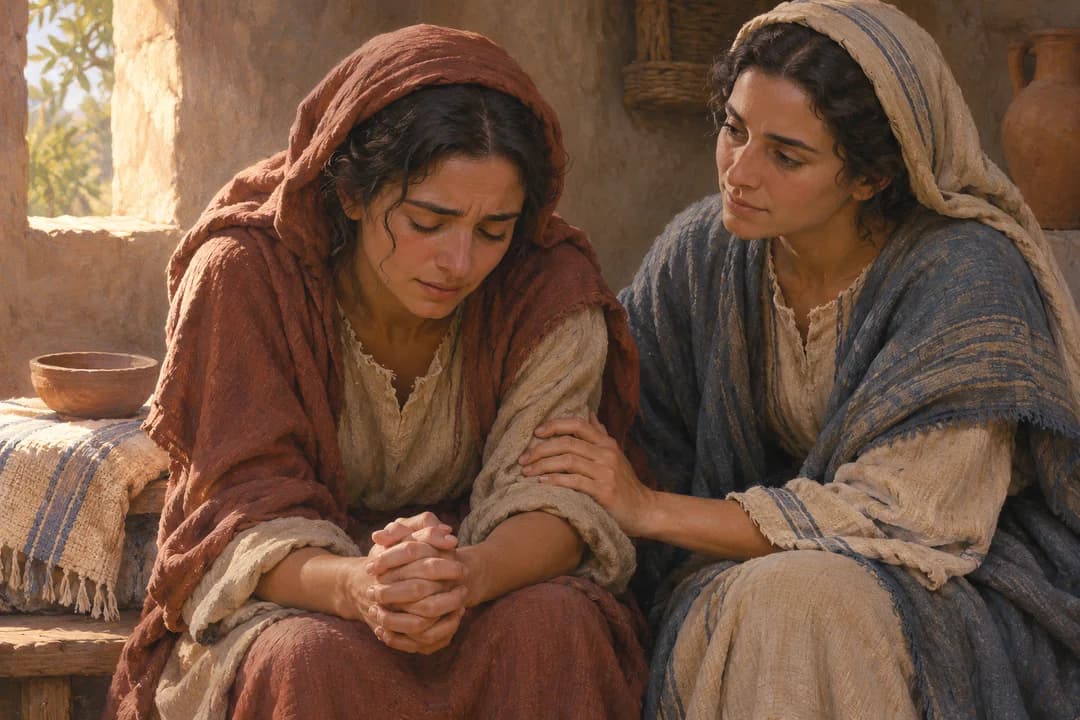
How can you pray with Romans 8:28?
Read verses 26–30 together. Name the circumstance you are finding difficult, then notice that the Spirit's help comes before the assurance of verse 28. You can ask for what you need while also asking God to form Christ's patience, truthfulness, and love in you.
Father, help me in the part of my life I cannot make sense of. Give me courage to speak honestly, receive help, and take the next faithful step. Shape me into the likeness of your Son and hold me in your love as I wait. Amen.
Related passages
- Romans 8:26–30 places this promise between the Spirit's help in weakness and God's purpose of making his people like Christ.
- Romans 8:35–39 names suffering while affirming the enduring love of God in Christ.
- Genesis 45:5–8 supplies Joseph's account of God preserving life through a painful family history.