
Hebrews 11:1 · KJV
What Does Hebrews 11:1 Mean?
Hebrews 11:1 describes faith as a confident hold on what God has promised while its fulfillment remains unseen. The chapter illustrates that faith through people who act, wait and endure because they trust God. Its examples include both remarkable deliverance and suffering endured in hope.
Now faith is the substance of things hoped for, the evidence of things not seen.
Hebrews 11:1, KJV, excerpt
Why Hebrews turns to faith here
Hebrews 10:35–39 urges readers to retain confidence and endure while awaiting God's promise. Chapter 11 follows with a description of faith and a long sequence of people who lived by it. The verse belongs to an encouragement to keep trusting through delay.
Verse 2 says that the elders received a good report through faith. Their stories then show what that means in practice. Reading the description beside those lives makes its words concrete. Faith changes how someone responds to a promise that has not yet reached its visible fulfillment.
Verse 1. The substance of things hoped for
The KJV calls faith “the substance of things hoped for.” The sentence presents faith as a present confidence concerning what is still ahead. Its object is shaped by God's promises across the chapter.
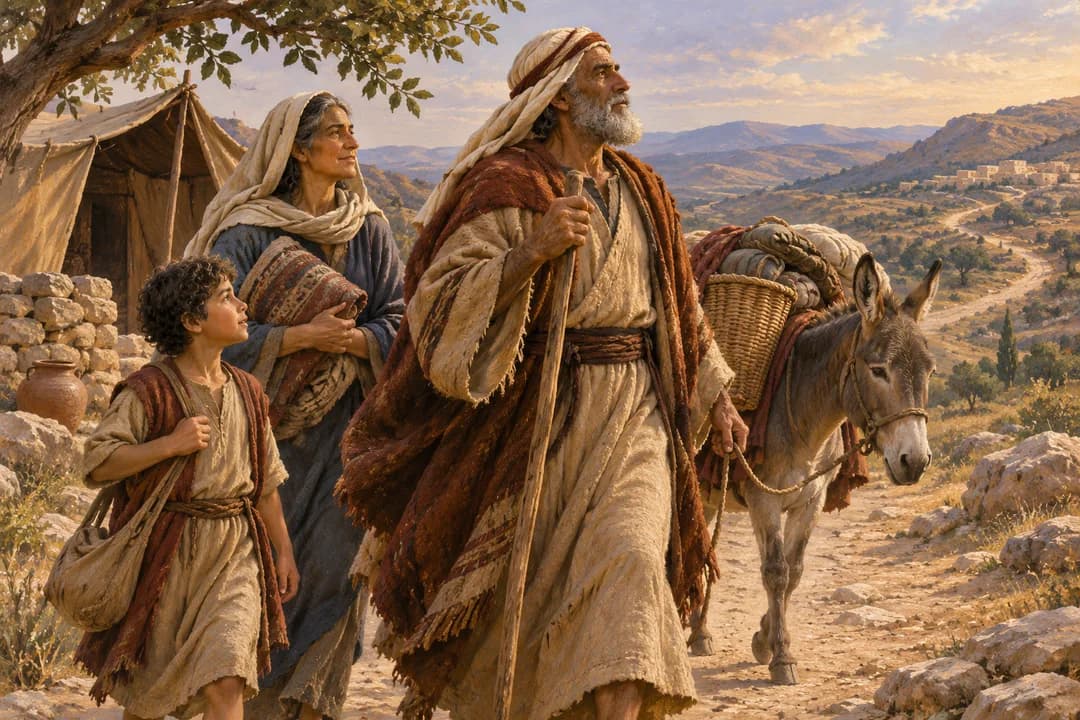
Abraham's example is especially helpful. He goes when called and lives as a stranger while looking toward what God will provide (11:8–10). His trust takes the form of an actual journey and a life of waiting. The thing hoped for guides a present choice even while it remains beyond his sight.
Verse 1. The evidence of things not seen
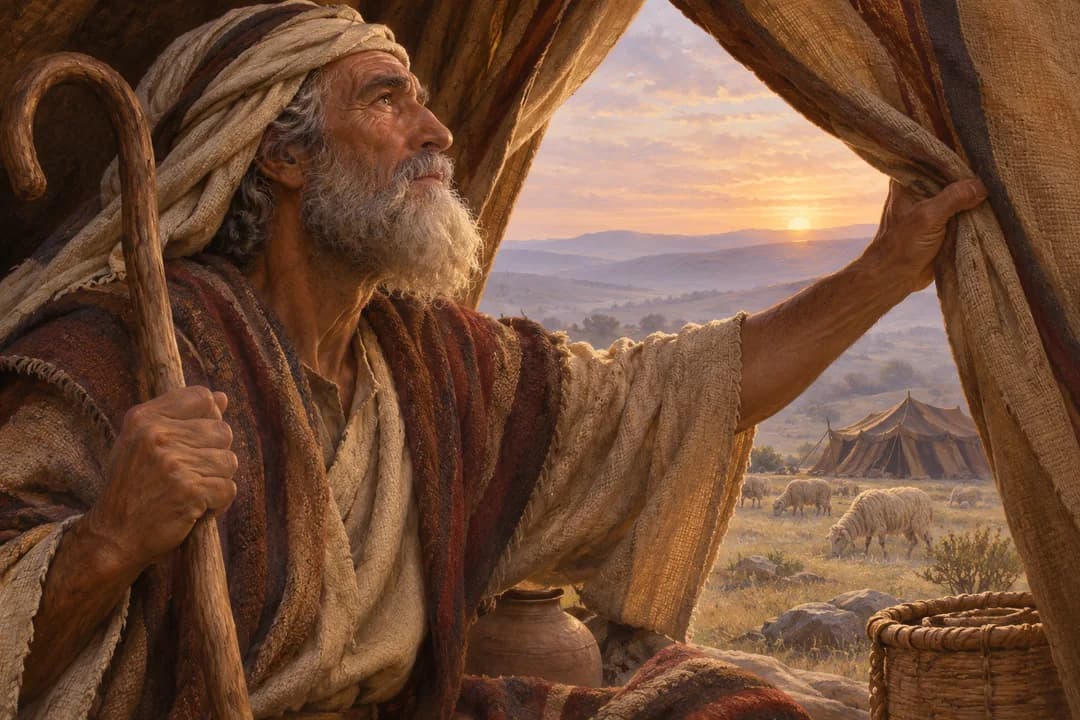
The second phrase joins confidence with what a person cannot yet see. Verse 3 immediately speaks of understanding creation through God's word. Later examples show people responding to warnings and promises whose outcomes lie ahead.
The chapter gives faith reasons in God's identity and faithfulness. It also portrays trust as something lived. Noah prepares, Moses chooses and people endure. A reader can distinguish that account from confidence in any outcome they happen to desire by asking what God has actually promised in the passage being read.
Faith that waits as well as acts
Hebrews 11:35–38 includes people who suffer persecution and death. Verses 39–40 say that the group, commended through faith, still awaited the promised completion. Those closing verses are essential to the opening definition.
Read one example in full and identify the promise, the action and the wait. Then name a faithful action available to you today. A prayer for confidence can include uncertainty and patience. The chapter invites its readers to continue trusting God while they wait for the fullness of what he has promised.