
Hebrews 4:12 · KJV
What Does Hebrews 4:12 Mean?
Hebrews 4:12 says that God's word is living and effective, penetrating beneath outward appearances to expose the heart's thoughts and intentions. The writer uses this warning within a call to hear God's promise, respond in faith, and enter his rest.
For the word of God is quick, and powerful, and sharper than any twoedged sword
Hebrews 4:12, KJV, excerpt

Why the verse begins with “for”
Hebrews 3–4 repeatedly returns to Psalm 95 and the danger of hearing God's voice while hardening the heart. The wilderness generation supplies the warning, and the promise of entering God's rest still stands before the readers. Verse 11 urges them to be diligent. Verse 12 explains the seriousness of their response: the word they hear can address and disclose what is happening within them.
What do quick and powerful mean?
In the KJV, “quick” means living. Powerful here conveys effectiveness. God's word continues to confront the people who hear it, as the repeated use of “Today” in the preceding argument demonstrates. The immediate emphasis is on God's spoken promise and warning received through Scripture. The verse invites careful attention to the message and to the response it calls for in the hearer.
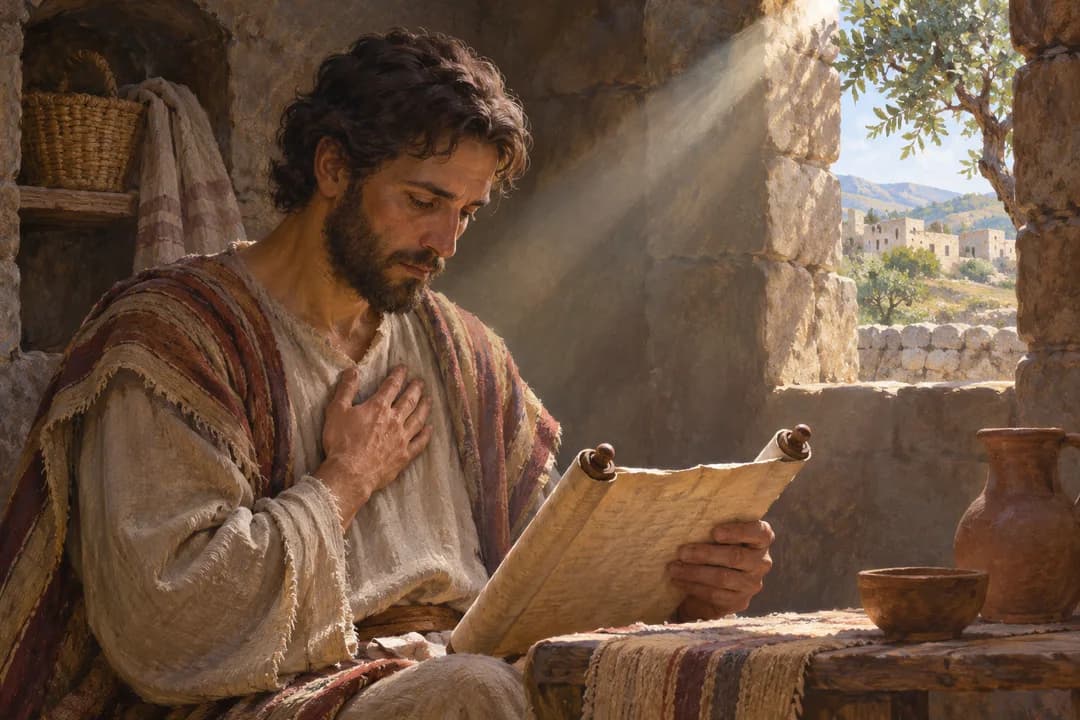
Why use a sword and the image of division?
A two-edged sword pictures penetrating sharpness. Soul and spirit, joints and marrow give the image depth and reach. The line moves directly to thoughts and intentions, showing the purpose of that sharpness. It exposes what can remain hidden from other people and even from one's own excuses. The verse does not set out a clinical or philosophical map of separate human components. Its force lies in the thoroughness of God's discernment.
How exposure leads toward mercy
Verse 13 says that all things are open before the one to whom people must give account. The next movement introduces Jesus as the great high priest and invites readers to approach for mercy and grace. Read those movements together. When a passage uncovers a defensive attitude or an avoided responsibility, name it honestly in prayer. Then ask for the grace to respond. The call to account and the invitation to seek help both belong within the chapter.