
Mark 10:45 · KJV
What Does Mark 10:45 Mean?
Mark 10:45 means that Jesus understands his mission through serving others and giving his life to release many. He says this while correcting his disciples’ pursuit of status. The Son of Man’s own self-giving becomes the reason his followers must learn a different way of being great.
For even the Son of man came not to be ministered unto, but to minister, and to give his life a ransom for many.
Mark 10:45, KJV, excerpt
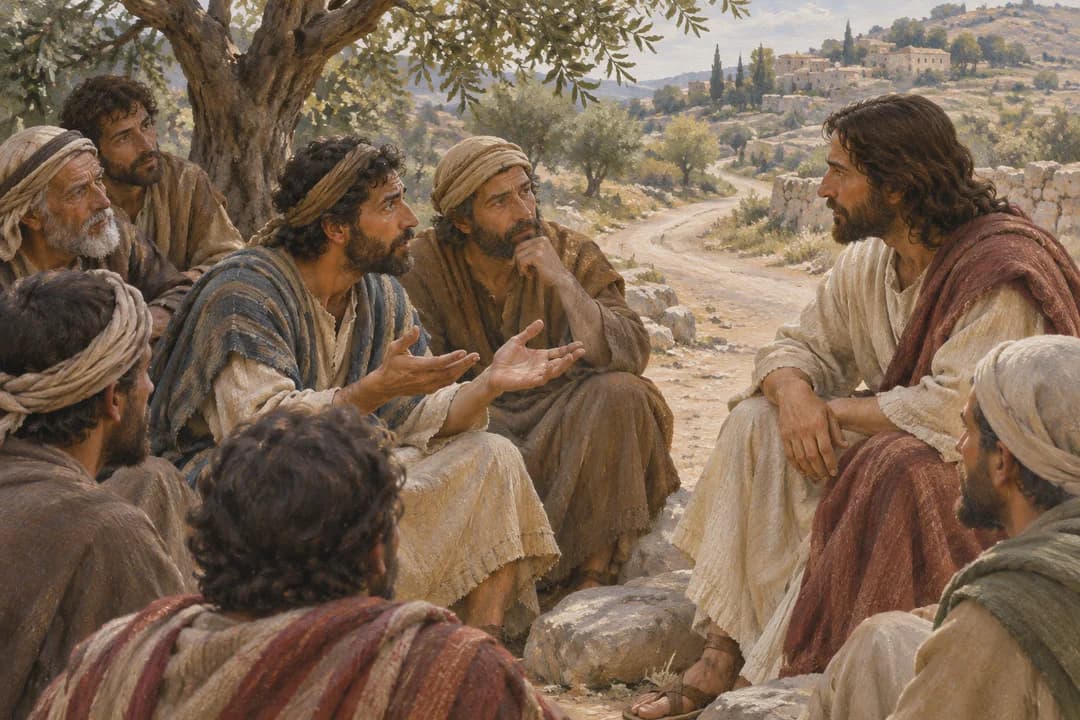
What prompts Jesus to speak about serving?
James and John have asked for prominent places beside Jesus in glory. The other disciples become indignant, and Jesus contrasts the rulers who dominate others with the way his followers are to live. Whoever wants greatness among them must become a servant.
Verse 45 begins with “for,” grounding that instruction in Jesus’ own mission. His service supplies both the pattern for disciples and the reason they can understand greatness through care for others.
What does the Son of Man’s service show?
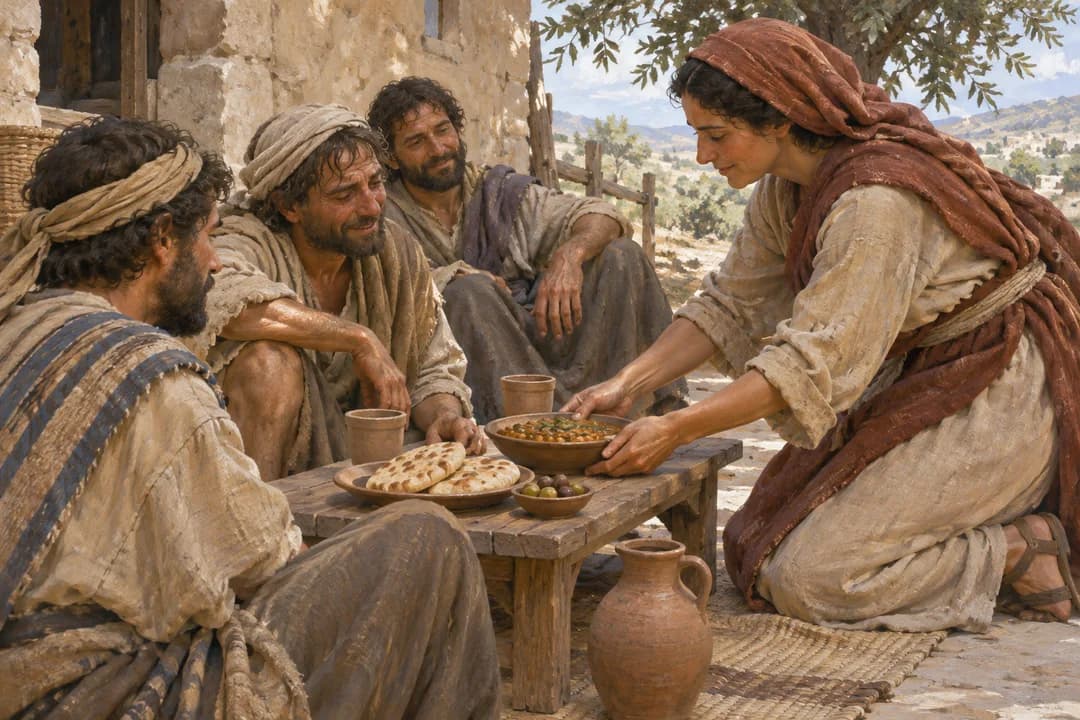
Jesus names himself as the Son of Man and says that he came to minister. The role is expressed through the work he does for others. Throughout Mark he teaches, heals, receives people, and moves toward the suffering he has announced.
The disciples’ question concerns the honor they might receive. Jesus directs their attention toward what he is giving. His example calls the person with influence to consider whose need that influence can serve.
What does giving his life as a ransom mean?
A ransom is a price associated with release. Jesus uses that image for the gift of his own life on behalf of many. His approaching death therefore has a liberating purpose within his mission.
The verse says who gives and what he gives, while leaving parts of the image unexplained. Its focus is the costly release made possible through Jesus. Readers can hold that central claim firmly while recognizing that later Christian accounts of atonement develop the picture in different ways.
How does this change the question of leadership?
Read verses 42–45 as one movement. The discussion of dominating rulers gives way to service, and service reaches its defining expression in Jesus’ gift of himself. The disciple’s way of exercising responsibility is to be shaped by that sequence.
Think of one place where you control time, resources, or attention. Ask who benefits from that control and what it would mean to serve their real good. The response begins with the Son of Man who has already given himself for others.