
Mark 8:34–36 · KJV
What Does Mark 8:34–36 Mean?
Mark 8:34–36 means that following Jesus calls for surrendering self-rule and accepting the cost of loyalty to him and the gospel. Jesus speaks after announcing his own suffering and death. His question about gaining the world asks what any apparent success is worth if a person loses the life that truly matters.
Whosoever will come after me, let him deny himself, and take up his cross, and follow me.
Mark 8:34, KJV, excerpt
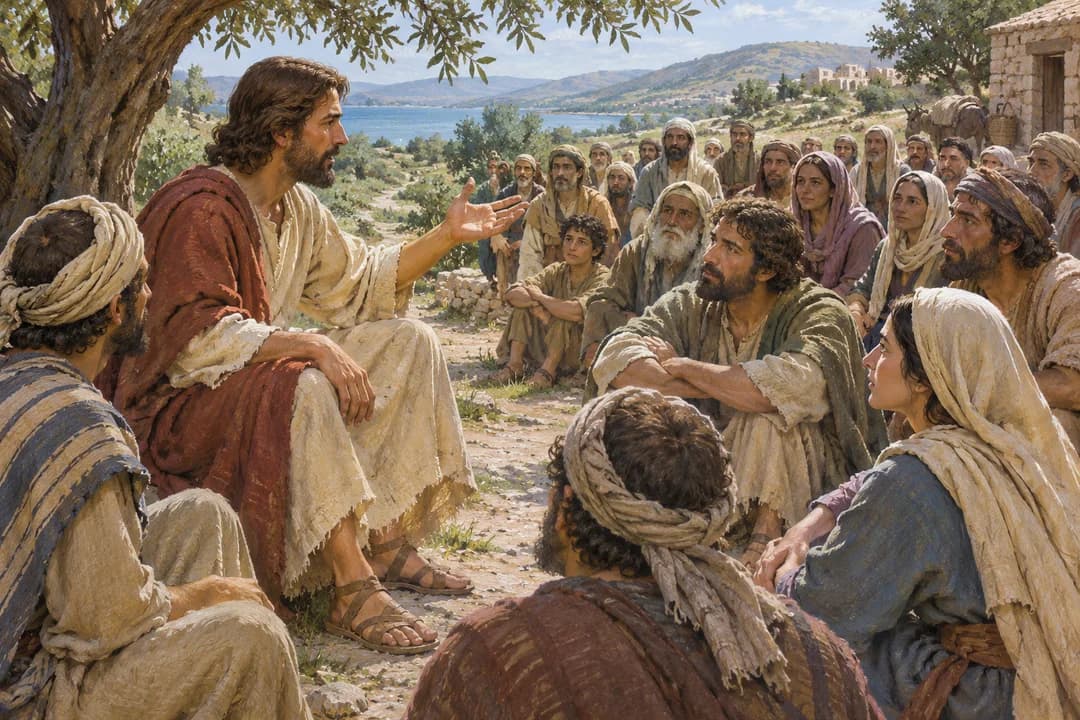
Why does Jesus give this call after Peter’s confession?
Peter has identified Jesus as the Christ. Jesus then teaches that the Son of Man must suffer, be rejected, be killed, and rise again. Peter objects, and Jesus confronts the way he is thinking about God’s purposes.
The invitation to follow gathers both the crowd and the disciples. Everyone who wants to come after Jesus must reckon with the path he has just described. His identity and his suffering belong together in the call he now gives.
Verse 34. What do denying self and carrying a cross mean?
Denying oneself means yielding the right to make personal desire the final authority over the path of life. Jesus joins it to taking up a cross and following him. In his world the cross was an instrument of execution and public shame, making the image costly.
The call concerns allegiance to Jesus when that allegiance brings loss. It asks whose direction will govern the disciple’s choices. Ordinary acts of truthfulness, service, and fidelity can reveal that question long before a moment of great crisis.
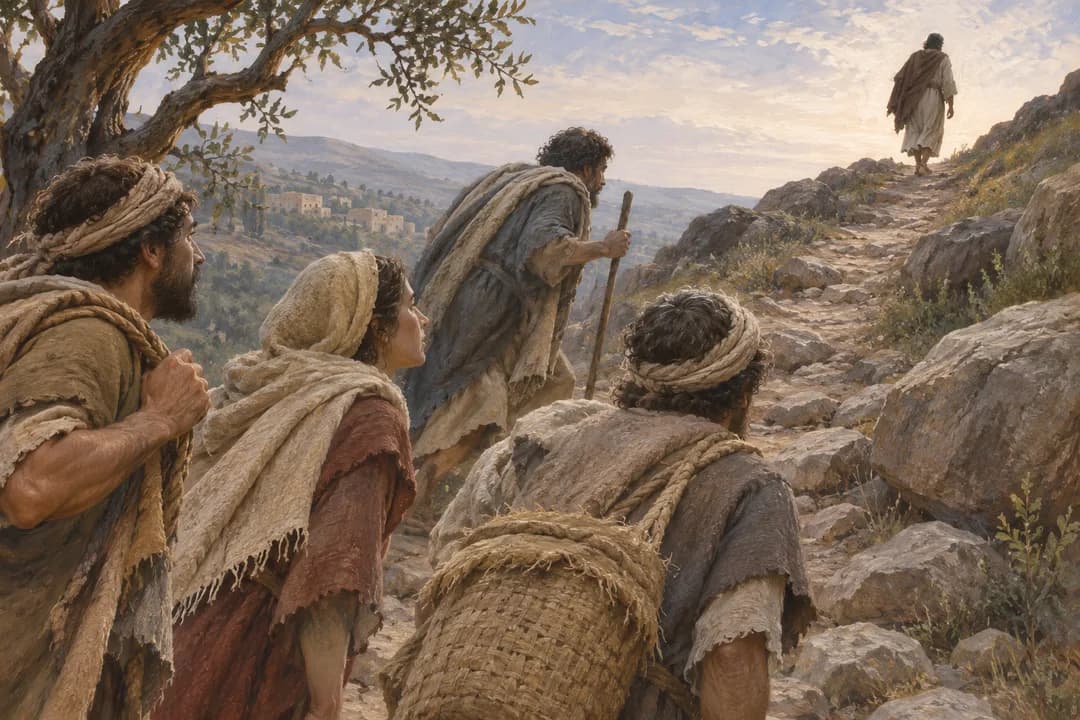
Verse 35. How can losing life save it?
Jesus attaches the loss to himself and the gospel. A person may try to preserve their position or security by giving up faithfulness to him. The saying warns that such self-preservation can lose what it is trying to secure.
Conversely, a person who accepts the cost of loyalty to Jesus receives the life he promises. The paradox asks the reader to view present decisions within the wider horizon of his mission, death, and resurrection. Loyalty gives the saying its specific purpose.
Verse 36. What is the value of gaining the world?
Jesus puts the largest possible gain beside the loss of one’s own soul. The comparison challenges the scale by which success is measured. Even possession of the whole world cannot compensate for that loss.
Consider one decision in which reputation, security, or advantage pulls against what you understand of Jesus’ teaching. Ask what you are protecting and what you might be risking. Read the next verse’s question about what can be exchanged for a soul. Together the questions direct the disciple toward a lasting measure of life’s worth.