
Proverbs 1:7 · KJV
What Does Proverbs 1:7 Mean?
Proverbs 1:7 says that a right relation to the LORD is the beginning of knowledge. Reverent attention to God makes a person teachable, while the fool despises wisdom and instruction. The saying introduces the posture from which the book's practical teaching is to be received.
The fear of the Lord is the beginning of knowledge: but fools despise wisdom and instruction.
Proverbs 1:7, KJV, excerpt
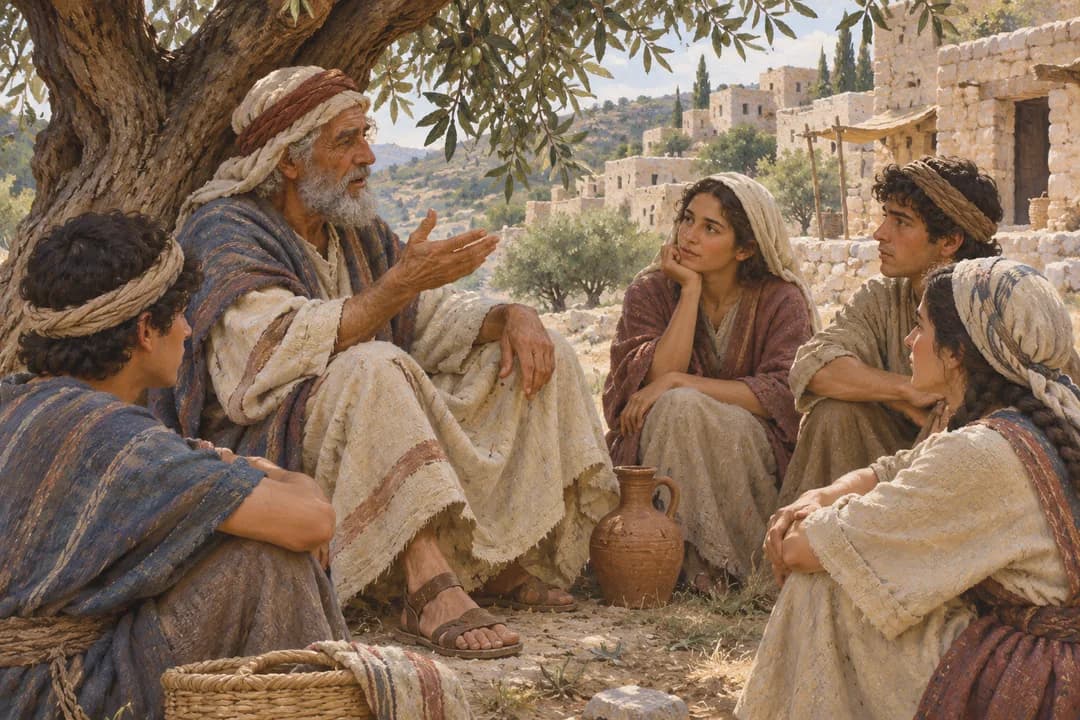
The opening purpose of Proverbs
Proverbs 1:1–6 introduces a book meant to form wisdom, understanding, justice and discretion. Young learners are addressed, and an already wise person is invited to increase in learning. The goal includes the ability to understand the words of the wise.
Verse 7 follows as a foundational statement. It identifies the relation to God that belongs at the beginning of such learning. Practical wisdom in this book concerns the way a person lives before the LORD, receives correction and treats a neighbor.
Verse 7. What is the fear of the LORD?
Fear here includes taking God's reality and authority seriously. The learner stands before the LORD as someone whose instruction deserves attention. That posture includes reverence and a readiness to be corrected.
The second half of the verse helps explain the first. The contrasting person despises wisdom and instruction. Reverence therefore has an observable expression in teachability. A person who receives correction is acknowledging that personal desire or first judgment may need to change. The fear of the LORD gives that acknowledgment a ground beyond social approval.
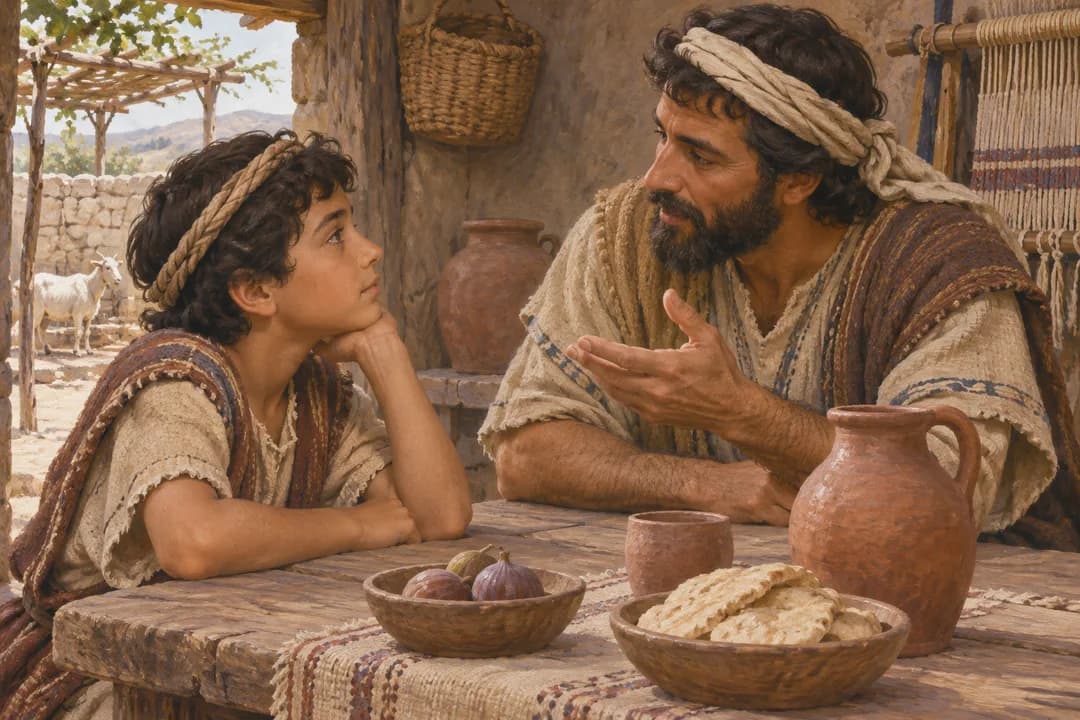
Verse 7. Beginning of knowledge
The word “beginning” places this posture at the entrance to knowledge and learning. It frames the instruction that follows, including the call to hear a father and mother in verses 8–9. The verse connects knowing with a way of receiving wisdom.
A reader can know many facts while still resisting the instruction needed for a wise choice. The contrast in the sentence concerns that willingness to learn. Wisdom grows through attention to God and the instruction he gives, practiced amid the ordinary responsibilities the book describes.
The fool who despises instruction
In verse 7, the fool is identified by contempt for wisdom and correction. The description gives a reader a question to ask about a response, especially when advice exposes an uncomfortable truth.
Choose one piece of correction you have recently resisted. Consider whether it is sound and what accepting it would require. Read Proverbs 1:1–9 before asking God for the humility to learn. A concrete change in conduct can give the opening motto a place in today's life.