
James 1:5 · KJV
What Does James 1:5 Mean?
James 1:5 promises God's generous response to people who ask for wisdom. The verse follows teaching about trials, endurance and maturity, so wisdom helps the reader respond faithfully within difficulty. God receives that request without reproaching the person for needing help.
If any of you lack wisdom, let him ask of God, that giveth to all men liberally, and upbraideth not; and it shall be given him.
James 1:5, KJV, excerpt
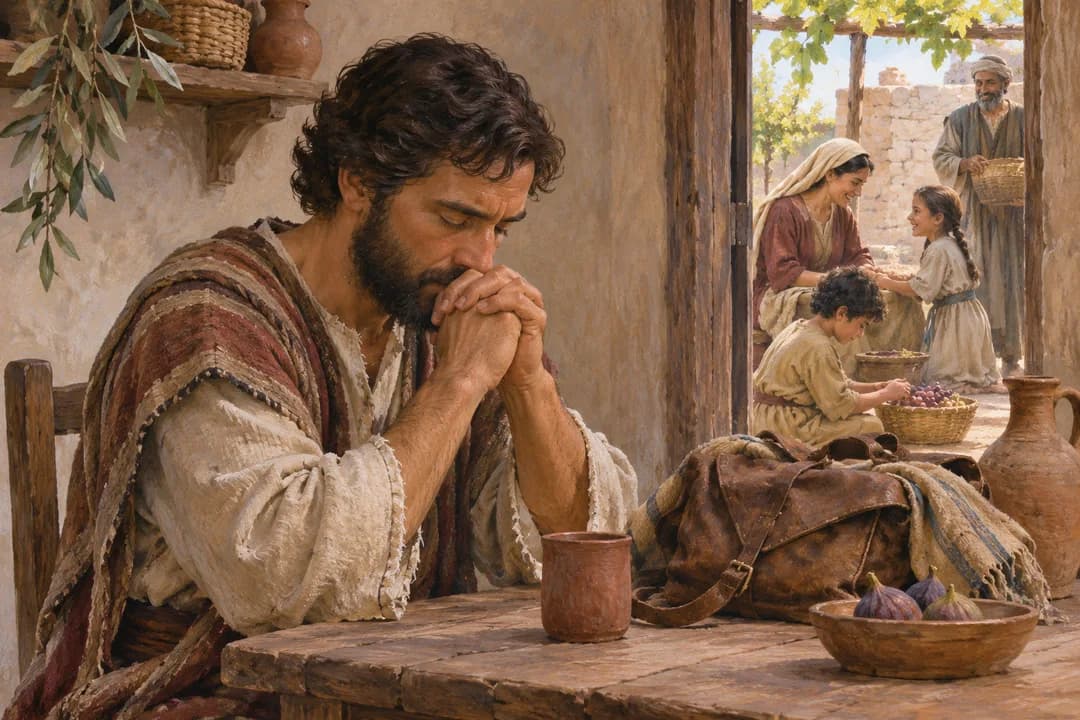
Why the request for wisdom follows trials
James 1:2–4 describes trials testing faith and developing endurance. The goal is a mature and complete life. Verse 5 then addresses a person who lacks wisdom, linking the need for guidance to the difficulty just described.
The connection helps define the request. Someone facing a trial may need to understand how to respond, what to prioritize or how to remain faithful under pressure. James directs that need toward God. The wisdom sought belongs within the formation of a life, alongside patience and growing maturity.
Verse 5. A generous giver
The KJV says God gives “liberally” and “upbraideth not.” The first phrase emphasizes generosity. The second describes giving without reproaching the asker. A reader does not need to hide the lack that leads to this prayer.
This portrayal of God makes asking a fitting response to uncertainty. The request begins with admitting a need. James' words encourage the reader to bring it to a giver whose character is generous. The promise directs confidence toward God while the practical difficulty remains before the person praying.

Verse 5 and the call to ask in faith
The following verses call for asking in faith and picture instability as a wave driven by the wind. Verse 8 identifies double-mindedness in a person's whole course of life. The warning concerns divided allegiance and an unsteady response to God.
Read that warning together with the invitation to admit a lack of wisdom. The passage expects a person to need help. Asking in faith means turning toward God with a willingness to receive and follow his wisdom. It gives the request a direction while leaving room to learn, wait and seek counsel.
A question to bring into prayer
Describe the decision or difficulty in one clear sentence. Ask for the wisdom to respond with patience, truthfulness and care for the people involved. Then identify what information or counsel could help you choose responsibly.
James later describes wisdom from above through peace, gentleness, mercy and good fruits (3:17). Those qualities offer a way to test the response taking shape. God, I need wisdom in this trial. Help me receive instruction and take the next step in a way that reflects your generosity.
In another biblical setting, Solomon asked for wisdom because he needed understanding to judge his people (1 Kings 3:7–12). His particular responsibility differs from the trials in James, but the story gives a concrete picture of admitting a need for discernment and bringing it to God.