
Matthew 6:33 · KJV
What Does Matthew 6:33 Mean?
Matthew 6:33 calls Jesus' hearers to put God's kingdom and righteousness first while trusting their Father for daily necessities. “All these things” refers to the food, drink and clothing discussed in the preceding verses. Seeking first gives daily life a governing priority amid material worry.
But seek ye first the kingdom of God, and his righteousness; and all these things shall be added unto you.
Matthew 6:33, KJV, excerpt
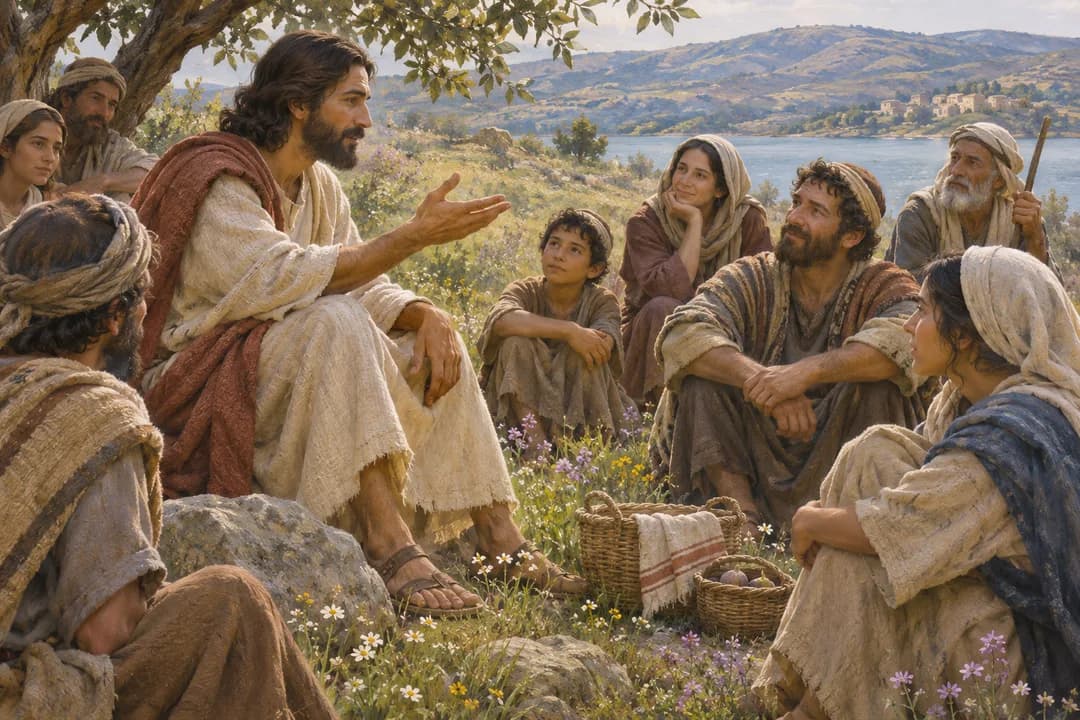
How food and clothing frame the promise
Matthew 6:25–32 repeatedly addresses anxiety over food, drink and clothing. Jesus points to birds and lilies, then says the heavenly Father knows what his hearers need. The sentence in verse 33 answers that concern with a direction for their attention and loyalty.
Earlier in the chapter, verses 19–24 address treasure and serving God or mammon. Read together, these passages join worry to the question of what rules a person's life. The immediate concerns are ordinary and necessary, the things people use to sustain their lives.
Verse 33. What does seeking first involve?
Seeking the kingdom means orienting one's life toward God's rule. Seeking his righteousness means caring about the way of life God calls good. The Sermon on the Mount gives that life substance through mercy, truthfulness, prayer, generosity and love for neighbors.
“First” establishes a priority that shapes the other concerns of life. A person buying food, looking for work or caring for a child can pursue those responsibilities with honesty and generosity. The sentence brings those choices under the Father's rule instead of allowing material security to become their governing loyalty.
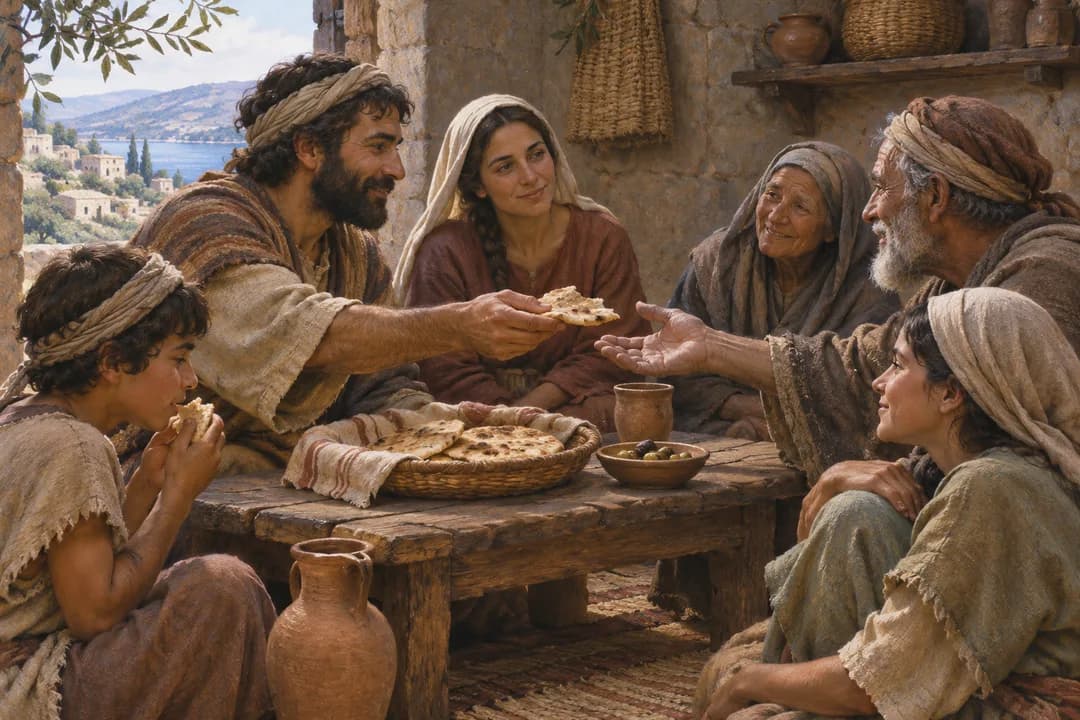
Verse 33. What are “all these things”?
The phrase points back to the necessities named in verse 31. Jesus says that the Father knows his children's need for them. The wording gives a reason to trust the Father while living the kingdom life he teaches.
The surrounding sermon also commands prayer for daily bread and generosity toward those who need help. Those commands leave room for asking, working and receiving provision through other people. Applying the promise calls for attention to the whole teaching about the Father and the community of his children.
A decision to bring under this priority
Choose one material concern and identify the next action available. It may be submitting an application, making a budget or asking someone for assistance. Ask how you could take that step with integrity while leaving room to help another person.
Verse 34 moves from the priority of the kingdom to the burden of tomorrow. Its separate study follows the problem of carrying a future day's trouble. Reading both verses together lets today's practical action and trust in the Father belong within the same response.