
Matthew 6:9–13 · KJV
What Does Matthew 6:9–13 Mean?
Matthew 6:9–13 teaches Jesus’ disciples to pray to their heavenly Father for his name, kingdom, and will, then for daily provision, forgiveness, and deliverance. The prayer joins dependence on God with the life of a forgiving community. Its shared language teaches people to bring both worship and ordinary needs before the Father.
After this manner therefore pray ye: Our Father which art in heaven, Hallowed be thy name.
Matthew 6:9, KJV, excerpt
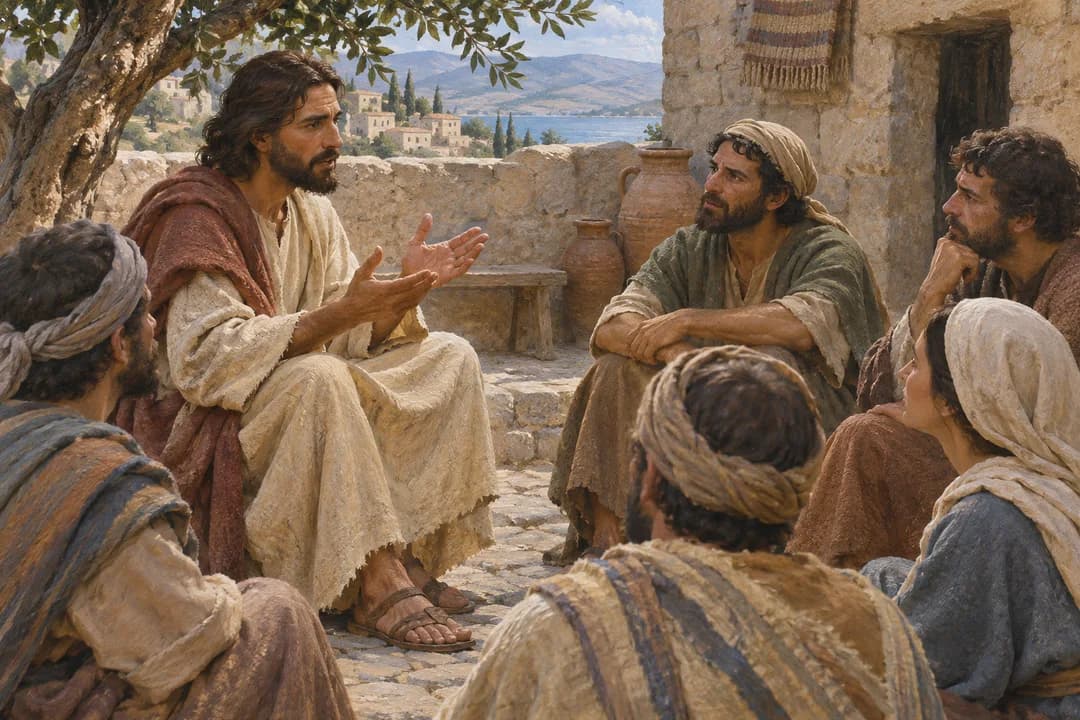
Verses 9–10. Our Father, your name, kingdom, and will
Jesus gives this prayer after warning against prayer performed for attention and empty repetition. He says the Father knows what the disciples need. “Our Father” begins in that relationship of care and addresses God with the reverence of “which art in heaven.”
To hallow God’s name is to honor him as holy. Asking for his kingdom and will directs the worshiper’s desire toward his reign and purposes. The comparison with heaven asks that earthly life increasingly reflect the obedience and honor that belong to him.
Verse 11. What is daily bread?
The request for daily bread brings ordinary bodily need into prayer. Bread represents the provision through which people live. The wording “give us” also keeps others within the request. The person praying asks as a member of a community whose needs matter together.
Read alongside the following teaching about worry, the petition trains dependence on the Father for the day’s needs. It also invites a reader to notice whose bread is missing and what resources might be shared.
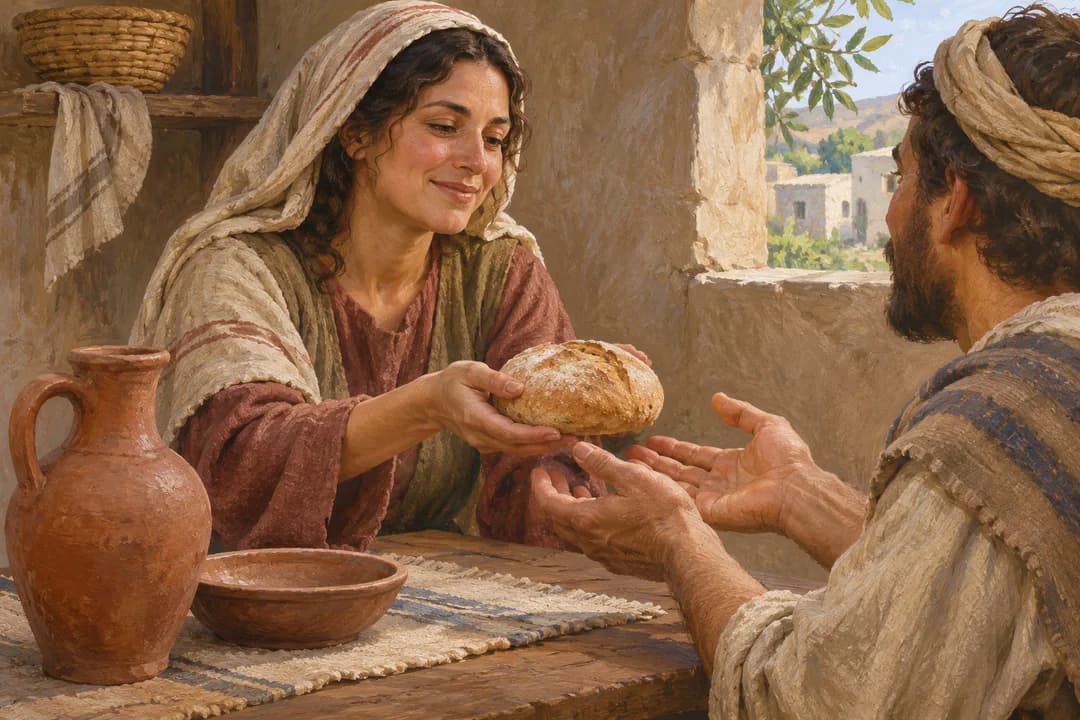
Verse 12. Why are forgiveness and forgiving joined?
The prayer asks God to forgive debts and connects that request with the forgiveness extended to debtors. Verses 14–15 make the importance of forgiving others explicit. The prayer places received mercy and offered mercy within the same life before God.
A reader can begin by naming a wrong they need to confess and a resentment they keep rehearsing. The petition asks for a forgiving heart while taking wrongdoing seriously. It invites the community to examine the relationships in which it seeks God’s mercy.
Verse 13. Temptation, deliverance, and the closing praise
The final petitions ask for protection amid testing and rescue from evil. They recognize vulnerability and ask the Father to guide and preserve his people. The KJV then closes by affirming that the kingdom, power, and glory belong to God forever.
Pray the whole passage slowly, allowing its order to shape your attention. Begin with the Father and his purposes, then name today’s need, the wrong that needs forgiveness, and the pressure in which you need help. The shared words “our” and “us” keep the prayer open to the needs of others.