
John 8:31–32 · KJV
What Does John 8:31–32 Mean?
John 8:31–32 means that genuine discipleship involves continuing in Jesus’ word, coming to know the truth, and receiving the freedom he gives. The conversation goes on to identify slavery to sin as the problem. Jesus describes a lasting relationship with his teaching that changes the life of the learner.
Then said Jesus to those Jews which believed on him, If ye continue in my word, then are ye my disciples indeed;
John 8:31, KJV, excerpt
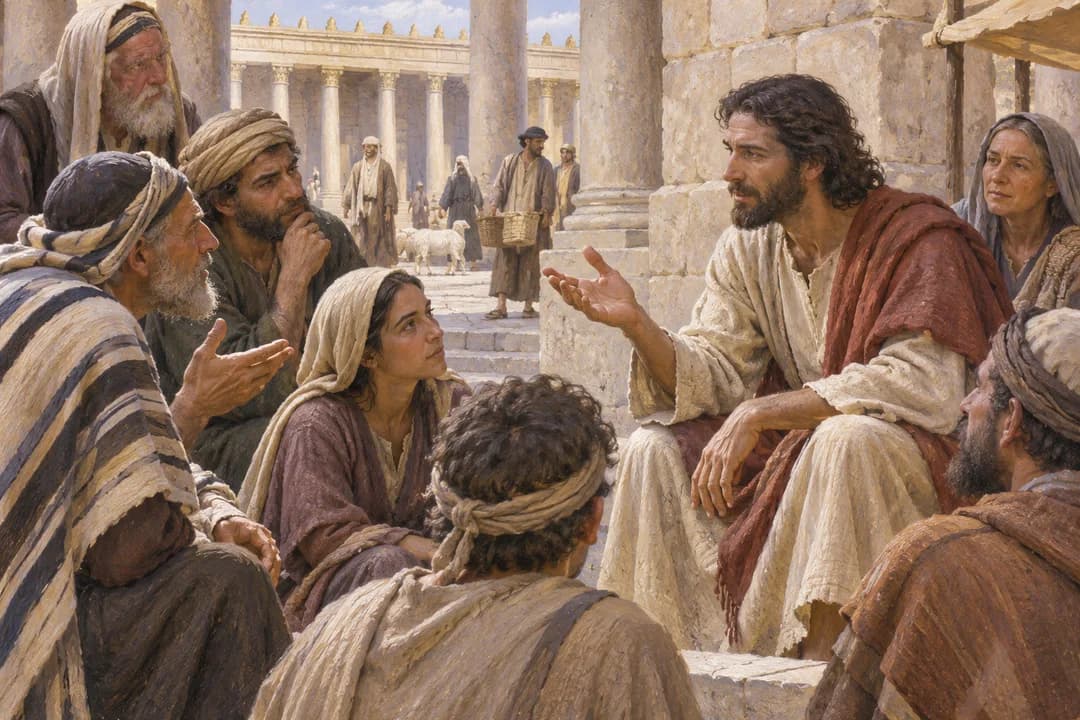
Who is Jesus addressing?
John identifies the hearers as Jews who have believed him. Jesus then speaks about continuing in his word as the mark of true discipleship. The conversation tests what that initial response will mean when his teaching challenges their understanding of themselves.
The ensuing exchange includes objections about Abraham, freedom, and sin. Reading those objections helps explain why verses 31–32 speak about the ongoing life of a disciple. An initial response opens into a relationship in which Jesus’ words keep being heard and received.
Verse 31. What does continuing in his word involve?
To continue in Jesus’ word is to remain with his teaching as a learner. His words become something to return to and live by. The conditional statement gives a concrete description of the disciples who are truly his.
The wider chapter shows how difficult that can be. People resist what Jesus says about their need. Continuing therefore includes allowing his teaching to expose assumptions that feel secure. A practical reading question is what this passage asks you to receive about your own condition.
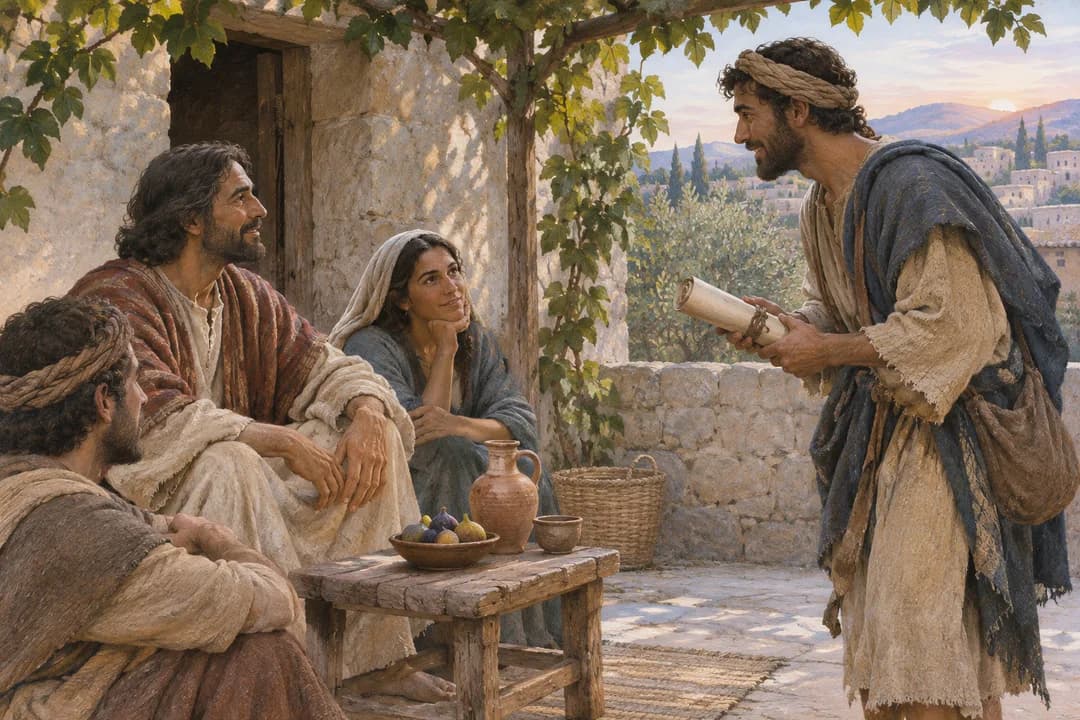
Verse 32. What is the truth that brings freedom?
The truth in this promise is connected to Jesus and the word in which his disciples remain. It emerges from the teaching and relationship the passage describes. The next verses make its liberating purpose specific.
When the hearers object that they have never been enslaved, Jesus replies that whoever commits sin is a servant of sin (8:34). Verse 36 places the power to make people free in the Son. Reading these lines together keeps the familiar promise connected to the problem he is addressing.
How can you read this promise today?
Begin by reading verses 31–36 as one exchange. Notice the movement from remaining in the word to knowing the truth and receiving freedom. Then ask how Jesus describes the bondage from which the hearers need release.
For a concrete response, choose one saying of Jesus that challenges a recurring pattern in your life. Read it slowly, ask for help to receive it honestly, and consider what an obedient response would involve. The passage directs the learner toward an enduring relationship with the Son who makes people free.