
Psalm 91 · KJV
What Does Psalm 91 Mean?
Psalm 91 describes trust in God's protection through the images of a refuge, sheltering wings, and a secure dwelling. Its promises name danger in vivid terms and end with God speaking directly. The climactic assurance includes his presence with the person who calls on him in trouble.
He that dwelleth in the secret place of the most High shall abide under the shadow of the Almighty.
Psalm 91:1, KJV, excerpt
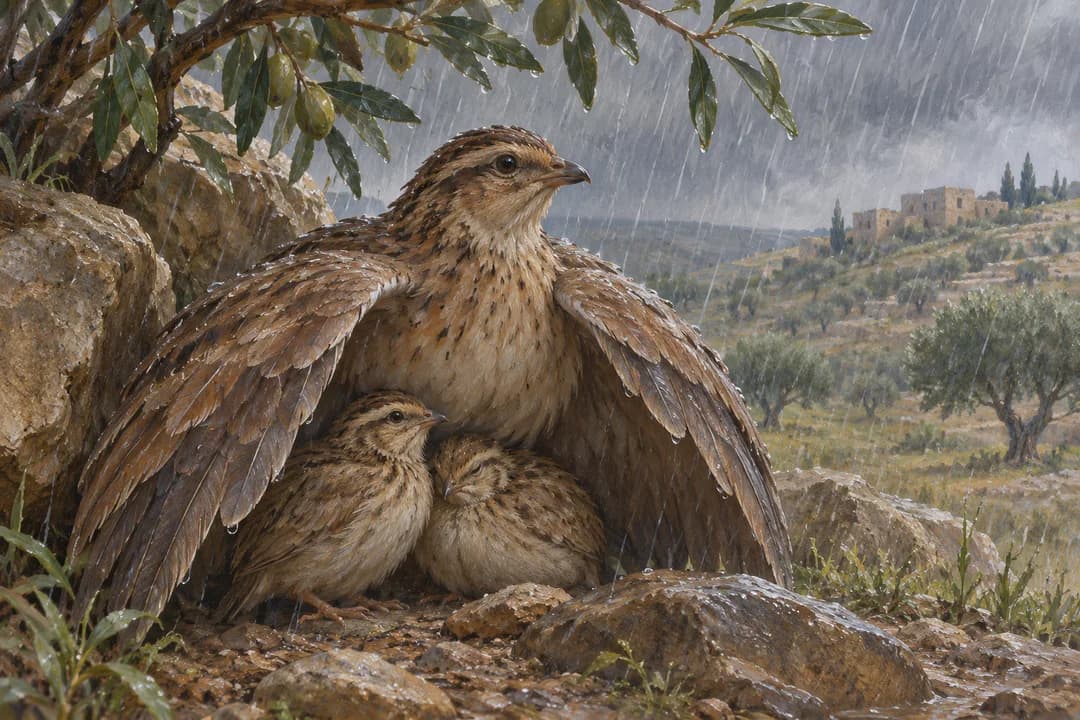
Verses 1–2. Choosing a place of trust
The opening describes dwelling with the Most High and abiding under the Almighty's shadow. The speaker responds by calling the Lord his refuge and fortress. These are images of continuing reliance. Shelter is the poem's organizing picture, and the personal confession of trust gives it a voice. The psalm invites readers to orient their lives toward God while the rest of the poem makes clear how many threats can surround that trust.
Verses 3–6. Wings and a shield amid danger
A hunter's snare and deadly pestilence introduce hidden and overwhelming dangers. Sheltering wings suggest close, protective care, while shield and buckler add the image of defense. Night, day, darkness, and noonday extend the picture across time. The language gathers many kinds of fear into one assurance of God's faithfulness. It gives endangered people words of trust whose force comes from the God addressed, rather than from a claim that they can identify and manage every threat.
Verses 7–10. How should the sweeping promises be read?
The poem describes thousands falling while the one who trusts remains secure. It also speaks of seeing the outcome of wickedness and of making the Lord one's habitation. These strong lines use the concentrated language of a trust psalm. They should be read with the whole poem and the wider biblical witness to faithful people who suffer. Verse 15 itself includes trouble. The purpose is to summon reliance on God through danger, while readers continue to act wisely in the world they inhabit.
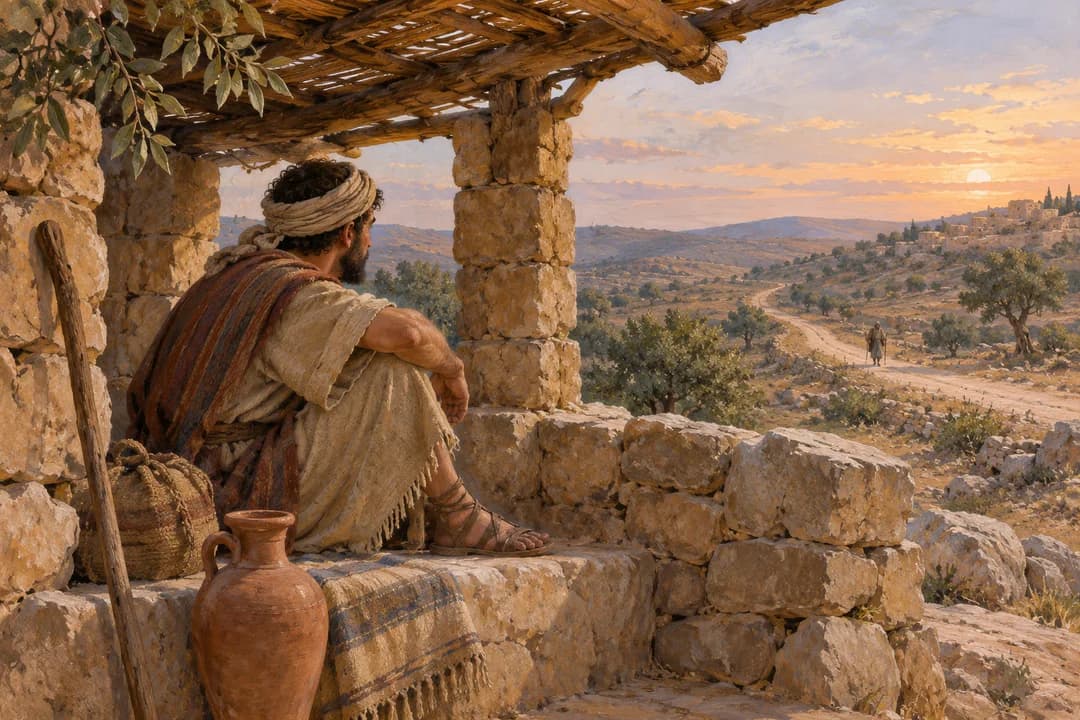
Verses 11–13. Angels and the temptation to test God
The angels bear the faithful person up, and the lion and serpents of verse 13 picture dangerous threats overcome. In Matthew 4:5–7, the devil quotes the angel promise when asking Jesus to jump from the temple. Jesus answers with the command against testing God. That use of Psalm 91 is especially important for interpretation. Trust receives God's care in faithful living. Deliberately creating danger in order to demand a rescue changes the posture of the person who seeks shelter.
Verses 14–16. God speaks to the one who calls
The final movement shifts into God's own speech. He responds to love, knowledge of his name, and a call for help. Deliverance, honor, long life, and salvation form the promise's conclusion. At its center stands the line “I will be with him in trouble.” This makes the relationship of care explicit. Readers can pray for rescue while also asking for the courage, companionship, and practical wisdom needed during the trouble itself.
Making the shelter image a prayer
Read the opening confession and the final divine answer together. Name one danger that occupies your thoughts, and ask what it would mean to rely on God's faithfulness while taking fitting care. That may include accepting help, making a safer choice, or praying with someone who shares the concern. Let the psalm's images direct the prayer toward God, and let Jesus' response in Matthew 4 guide the manner in which trust is expressed.