
Read the story
Context
God’s law gave Israel commandments concerning worship, justice, relationships, and everyday life. Scribes devoted themselves to studying and explaining that law. Asking which commandment came first was therefore not a question about trivia. It was a question about what should guide everything else in a life devoted to God.
Story
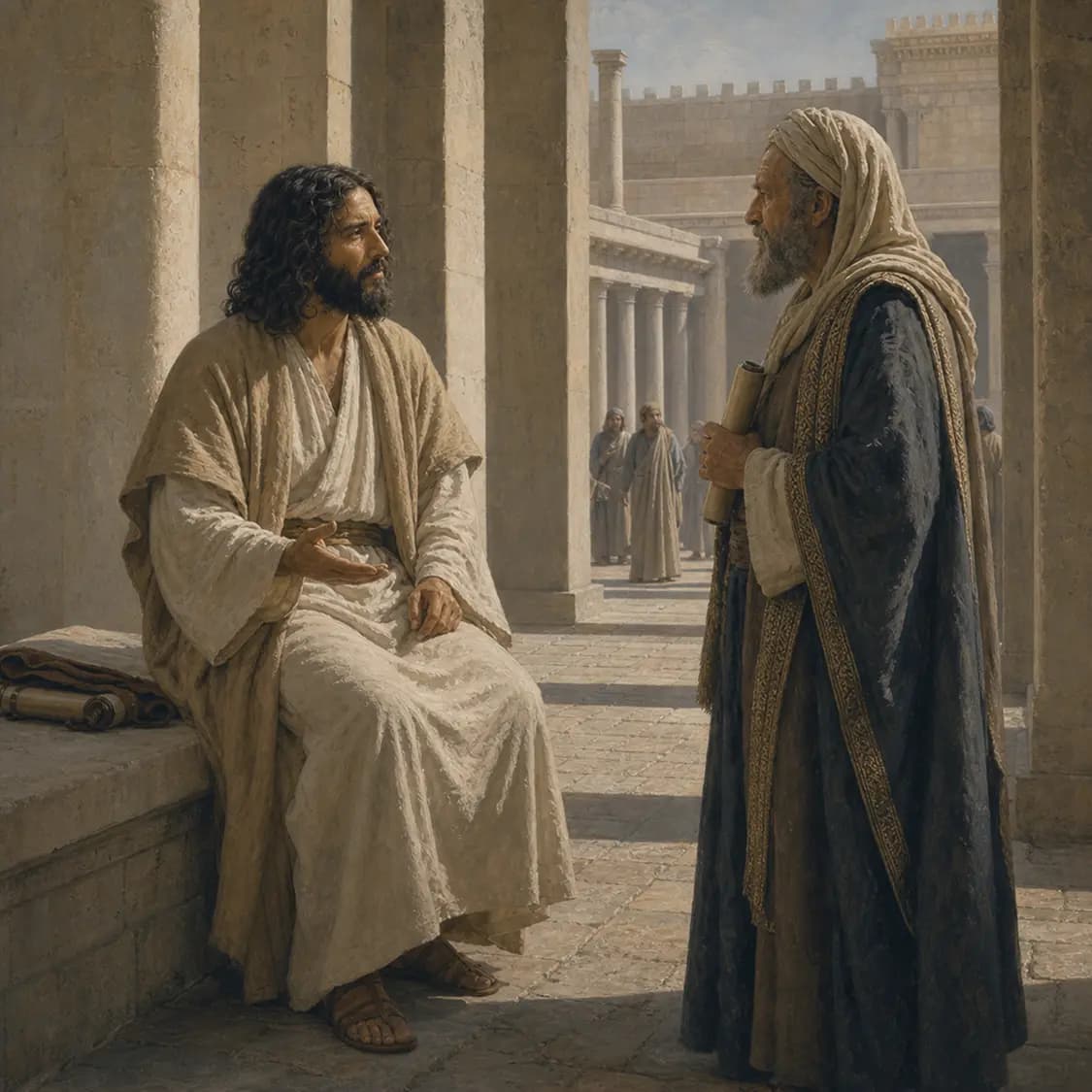
One scribe came forward after hearing Jesus reason with others. He had paid close attention and recognized that Jesus had answered well. So he asked, “Which commandment is the most important of all?”
Jesus began with the truth at the center of Israel’s faith. He called God’s people to listen and remember:
“The Lord our God, the Lord is one.”
Because there is one Lord, God’s people are to love him with their whole being—with all their heart, soul, mind, and strength. Their love for God is not meant to occupy only one part of life. It calls for undivided devotion.
Then Jesus placed a second command alongside the first: love your neighbor as yourself. Love for God and love for other people belong together. Jesus said no commandment is greater than these.
The scribe agreed. He told Jesus that he had spoken truly: God is one, and there is no other. He then repeated the heart of Jesus’ answer. A person should love God wholeheartedly and love a neighbor as oneself.
The scribe also recognized what this meant for worship. Such love, he said, is more important than all burnt offerings and sacrifices. Those offerings were established acts of worship, but they could not replace the wholehearted love for God and neighbor that God commands.
Jesus saw that the scribe had answered wisely. He told him:
“You are not far from the kingdom of God.”
After that, no one dared to ask Jesus another question.
What We Learned
- Love for God begins with recognizing that he alone is Lord and is worthy of our whole devotion.
- Jesus joins love for God and love for our neighbor; neither should be separated from the other.
- Religious offerings and outward acts cannot take the place of the love God commands.
- Jesus recognizes the wisdom of those who understand what God values most.
Story background
The Greatest Commandment is read in Mark 12:28-34. A scribe hears Jesus answer other questions well and asks which commandment is most important. The account also draws attention to love for God and love of neighbor. Its named people, setting, and sequence matter, while details not stated in the passage should remain open rather than being supplied from later retellings. Read the scene in its surrounding movement: notice what prompts the action, how the central figures respond, and what the final words leave with the hearer. This background keeps the story close to its explicit claims while making room for careful reflection on love for God, love of neighbor, and the other themes named here. The passage can be revisited slowly, with its questions and tensions intact.
People in the story
- Jesus — Names love for God and neighbor as the greatest commandments
- Scribe — Asks which commandment is most important, affirms Jesus’ answer, and is told he is not far from God’s kingdom
Themes to notice
Love for God
The passage brings love for God into focus through its named people, actions, and ending.
Love of neighbor
The passage brings love of neighbor into focus through its named people, actions, and ending.
Wholehearted devotion
The passage brings wholehearted devotion into focus through its named people, actions, and ending.
Worship and obedience
The passage brings worship and obedience into focus through its named people, actions, and ending.
Questions for reflection
- What stands out to you about love for God in this passage?
- How do the people in the story respond to love of neighbor?
- Which detail would you want to read again in its wider context?
- What question does this account leave you carrying?
Related stories

Carry the story with you
Save your reflections on the greatest commandment and revisit them as you continue through Scripture.