A women’s Bible study may meet around a kitchen table, in a church classroom, or alone after children are asleep. The setting matters more than the label on an app. Bible Note is our first pick when a passage question needs context, a private note, and a way to return after the meeting. It also supports daily devotional reflection and permitted teaching review. YouVersion remains the flexible Bible-reading and listening choice. BibleProject can help a group grasp a book’s shape, Bible Gateway helps locate a passage, and Dwell centers listening. A women-branded devotional may be useful too, but its audience label alone cannot tell you which biblical text, teaching approach, or sharing rules you are agreeing to.
How we evaluated these apps
We used Semrush search data and women-focused app comparisons to understand the questions readers bring to this choice, then checked official app information for the named tools. We grouped the picks by the work a woman or study group needs to do: read the passage, understand its setting, listen during the week, find a reference, or revisit permitted teaching. We weighed access to the text, a practical return path, group fit, and the limits of each resource. The right choice depends on the group’s translation, study plan, consent, and device access; check those in the current app before adopting it together.
Quick picks
Bible Note: passage questions, verse notes, daily devotional follow-up, and authorized group teaching review.
YouVersion: broad reading and listening pick.
BibleProject: guided visual learning pick; check current language and device fit.
Bible Gateway: quick passage-access companion.
Dwell: audio-centered listening pick; check current subscription and platform terms.
Decide what your study actually needs
A personal reading habit and a group curriculum ask different things of an app. If you have ten minutes before work, a readable passage and a place to resume may be enough. If your group has a printed study guide, first ask whether the app carries the same translation and whether its prompts will complement the guide. A separate app cannot quietly replace the questions the group agreed to discuss. If you are preparing to lead, you may need a Bible text, a way to verify context, and a private place for teaching notes. One product need not carry all three jobs.
Try a simple two-column decision on paper: write what we will read on one side and what we will do after reading on the other. Put a Bible reader in the first column. Add a video or audio tool only when it helps someone enter the text. Bible Note can serve the second column through a verse question or saved note even when nothing is recorded. With permission, it can also connect a lesson to its cited passages afterward. This keeps a moving story, polished prompt, or attractive theme from becoming the authority over the passage.
Women-specific programs deserve the same questions as general ones: Who wrote the teaching? Which biblical translation and Christian tradition shape it? Is the lesson built for individual reflection or discussion? Can participants decline sharing? The fresh search results include women-oriented list and product pages, but they do not establish a single best curriculum or a verified women-specific winner for every church. A group should review one sample lesson with its actual leader before adopting it.
Product reviews
Bible Note
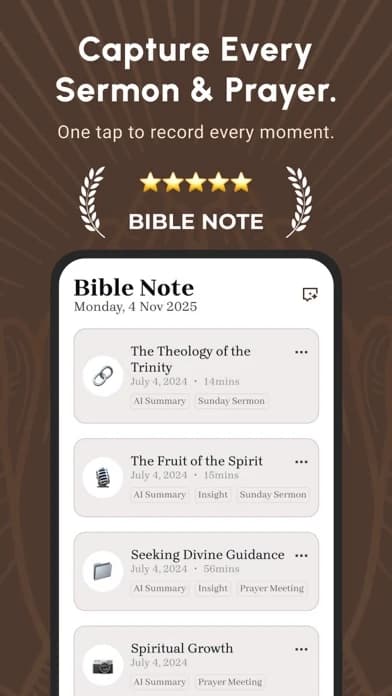
Best for: a woman reading on her own who wants to ask about a difficult passage, and a group leader who needs to carry a shared text and a permitted lesson into the next meeting.
What the evidence supports: Bible Note's first-party study path accepts a reference or scanned printed passage and offers Scripture questions, verse notes, highlights and version comparison. Its daily devotional includes Scripture, reflection, prayer and audio; this differs from the devotional plan that can follow a sermon note. With permission, teaching capture or import adds timestamped review, recognized references and discussion questions. See Bible Study Chat and the sermon-notes workflow.
How it fits a week: A woman reading alone can begin with the assigned passage, ask why a phrase matters in context, and save her own question for the next study. A leader can use a generated question as a prompt for discussion only after checking it against the passage and the group's guide. If the group has approved a class recording, she can revisit the moment the reference was cited and prepare a short recap for those who missed it. A daily devotional may offer a personal reflection between meetings without becoming the group's curriculum.
Strengths: It connects individual questions, saved observations, and approved teaching follow-up, so the group can return to the same text without treating one person's notes as the answer. This is a fuller fit than a sermon-only companion for readers who study between meetings.
Limitations and conditions: Bible Note does not supply a women-specific curriculum or settle a church's interpretation. An AI response must be checked against Scripture and the group's agreed translation. Obtain speaker and participant consent before capturing teaching; do not place private prayer requests in shared or AI-processed notes. Confirm the current feature and access terms on each device.
Fit verdict: First pick for question-led personal and group study with careful consent; choose a dedicated reader or audio tool when that is the main task.
YouVersion
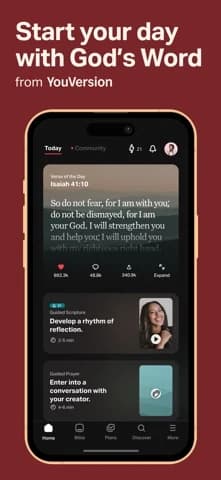
Best for: a broad reading plan, listening, highlights, bookmarks, and notes.
What the evidence supports: The current US iOS Bible listing from Life.Church describes audio Bibles, reading plans, notes, highlights, bookmarks, prayer cards, and selected-version offline download; it carries a 12+ store rating.
Strengths: Its broad reading, audio, plans, notes, highlights, and bookmarks make it the most practical starting point when a reader wants one app for a morning passage and a commute. Use it when the goal is a repeatable reading habit, not a women-specific study curriculum.
Limitations and conditions: A reading plan does not settle which translation or curriculum a women’s group will use. Check the exact plan and version together, and keep personal prayer notes private unless participants choose to share them.
Fit verdict: Choose YouVersion for flexible reading and listening; check the exact plan, translation, privacy, and offline conditions before a group adopts it.
BibleProject
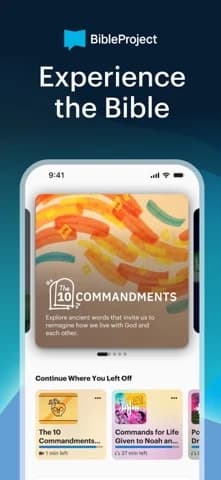
Best for: visual, thematic guided learning.
What the evidence supports: The current US iOS BibleProject listing describes videos, podcasts, classes, blogs, and Bible learning resources. Its store description says the resources are free, while language and device needs still require checking.
Strengths: Its videos, classes, articles, podcasts, and reflection resources suit a reader who wants a visual explanation before returning to the cited passage. The guided format is useful for a theme or book overview.
Limitations and conditions: It is a guided learning resource rather than a complete substitute for reading the passage. The US iOS listing does not establish Android parity or suitability for every tradition.
Fit verdict: Choose BibleProject for guided thematic learning; skip it as the sole Bible reader until current app availability, languages, and account requirements are confirmed.
Bible Gateway
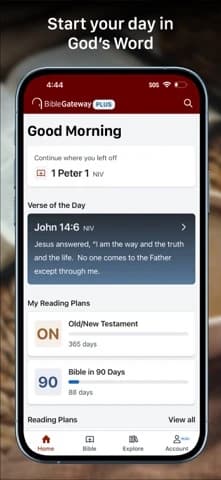
Best for: searching and reading across a broad Bible resource.
What the evidence supports: The current US iOS Bible Gateway listing describes Bible search, reading, audio, notes, and a separate Plus tier for additional study resources.
Strengths: A general Bible resource can be useful when the immediate task is locating a passage or comparing a familiar translation before a study session. Its value here is breadth of access, not a women-centered program.
Limitations and conditions: Bible Gateway helps locate a passage, but its listing does not supply a women’s group curriculum. Expanded study resources sit in a separate Plus tier, so check access before assigning a resource to the group.
Fit verdict: Choose Bible Gateway for quick passage access; choose a plan or study library when you need a structured week-by-week path.
Dwell
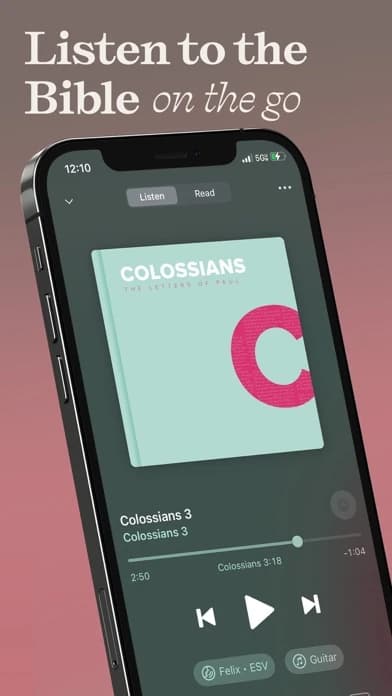
Best for: audio-centered devotional or Bible listening.
What the evidence supports: The current US iOS Dwell listing describes narrated Bible listening, read-along text, listening plans, downloads, and devotional or prayer audio.
Strengths: Audio-centered Bible listening fits a commute, household routine, or short quiet interval when reading on-screen is difficult. It can complement a visual study tool by getting the passage into the week.
Limitations and conditions: The US iOS publisher listing establishes an audio-focused product, but subscription access, translation rights, and other platforms should be checked for the reader’s actual use.
Fit verdict: Choose Dwell when listening is the bottleneck; verify current subscription, offline, and platform terms before relying on it daily.
When the pick changes
For a woman reading alone, Bible Note can hold a question from the passage and a devotional reflection to revisit later. For an audio-Bible commute, choose YouVersion for a flexible text-and-audio rhythm, or Dwell when listening is the main way the passage enters the day. If the assignment is a chapter of a study guide, check the translation first. BibleProject can add an overview, yet the group still needs to read the cited chapter together.
For a leader returning to last Sunday's teaching, Bible Note adds another route: preserve an authorized recording, locate a reference, and turn one unclear claim into a question for the text and group. If the meeting is a confidential prayer circle, recording may be inappropriate even with a useful app. Keep prayer requests out of shared notes unless each person has freely consented, and ask before capturing a speaker's words. A leader can write a private question and passage reference without storing sensitive disclosures.
For a Catholic group, or any group using a particular liturgical calendar or church curriculum, this general-purpose list cannot certify the required edition, readings, or doctrinal fit. Check those with the parish or leader; a Catholic-specific reader may be a better starting point. For travel without reliable service, verify the exact translation's download terms before relying on any listed app. These conditions can reverse the quick pick.
A practical group choice
Before the first meeting, ask each participant which format is accessible: printed text, phone text, or audio. Agree on the passage and translation, whether notes will be private, and whether any teaching may be recorded. At the meeting, read the paragraph aloud or silently, then ask what the text actually says before opening a devotional prompt. Afterward, keep one passage reference and one unresolved question. This is enough to decide whether you need a reader, guided resource, or teaching-review companion; no member has to install the same app merely to belong.
Should a Bible app for women include a devotional?
Only when the devotional helps with the study you actually intend. For personal encouragement, a short prompt may give you a place to begin. For a group assigned a chapter, the shared passage and the group's questions need to remain clear even if members use different devotional resources.
Read one sample with its cited passage open. Ask what the passage says, what the writer adds as reflection, and whether that reflection fits your church's tradition and the group's purpose. An encouraging application can be useful without becoming the answer everyone must reach. If a group member cannot access the same resource or prefers the Bible text alone, she should still be able to take part in the study.
Can one app run a women's Bible study?
Sometimes one reader is enough if everyone can access the agreed passage and the leader brings clear questions. A group does not need one account to hold every part of its study. Separate these jobs when deciding what to use:
Common text: agree on the passage and translation so everyone can follow the same discussion, whether on a phone or in print.
Shared direction: let the leader bring a guide or a few questions that send the group back to the text. Bible Note can help revisit permitted teaching, but it does not supply the group's whole curriculum.
Personal writing: leave reflections and prayer requests with the person who wrote them unless that person chooses to share. Permission to record teaching does not extend to uploading the group's conversation.
At the next meeting, ask whether each person could find the text and contribute without installing an extra tool. If the answer is yes, the simpler setup may already serve the group.
What if someone cannot attend or listen live?
Give the absent member a way back to the passage first. Share the reference, the group's agreed question, and a short recap approved for sharing. That lets the person join the next conversation without treating an absence as a reason to distribute everyone else's words.
If the speaker and participants have permitted recording, Bible Note's review tools can help someone return to the teaching and its cited references. Permission to record a lesson does not automatically cover personal prayer requests or confidential discussion afterward. Keep those out of the recording or shared notes. When recording is not appropriate, an approved recap and the Bible text are enough to keep the member connected.
Summary: Choose for this group’s actual week
Begin with Bible Note when this group needs to bring a passage question, personal reflection, or permitted lesson back to Scripture. Bible Study Chat supports the question-led path; sermon notes support approved teaching review. Keep the agreed text and private disclosures in their proper places. Choose YouVersion, BibleProject, Bible Gateway or Dwell when reading breadth, guided video, lookup or audio is the larger need.
Editorial status
Written and edited by Hans Keller for Bible Note. Sources, Scripture context, dates, and practical limitations are checked before publication.

About the author
Hans Keller
Editorial & Content Lead
Bible Study & Sermon Learning Content Editor
Hans helps Christians turn sermons and Scripture study into clear notes, thoughtful questions, and faithful next steps.
His work helps listeners and group leaders carry a sermon or study beyond the meeting: back to the passage, into clearer questions, and toward one practical response for the week.
Read with Scripture open
Use this guide alongside the full biblical passage and the practices of your local church. Interpretive details can differ across Christian traditions.
See more Bible Note on Google
Add Bible Note as a preferred source to help find our Bible study guides more easily in Google Search.